News
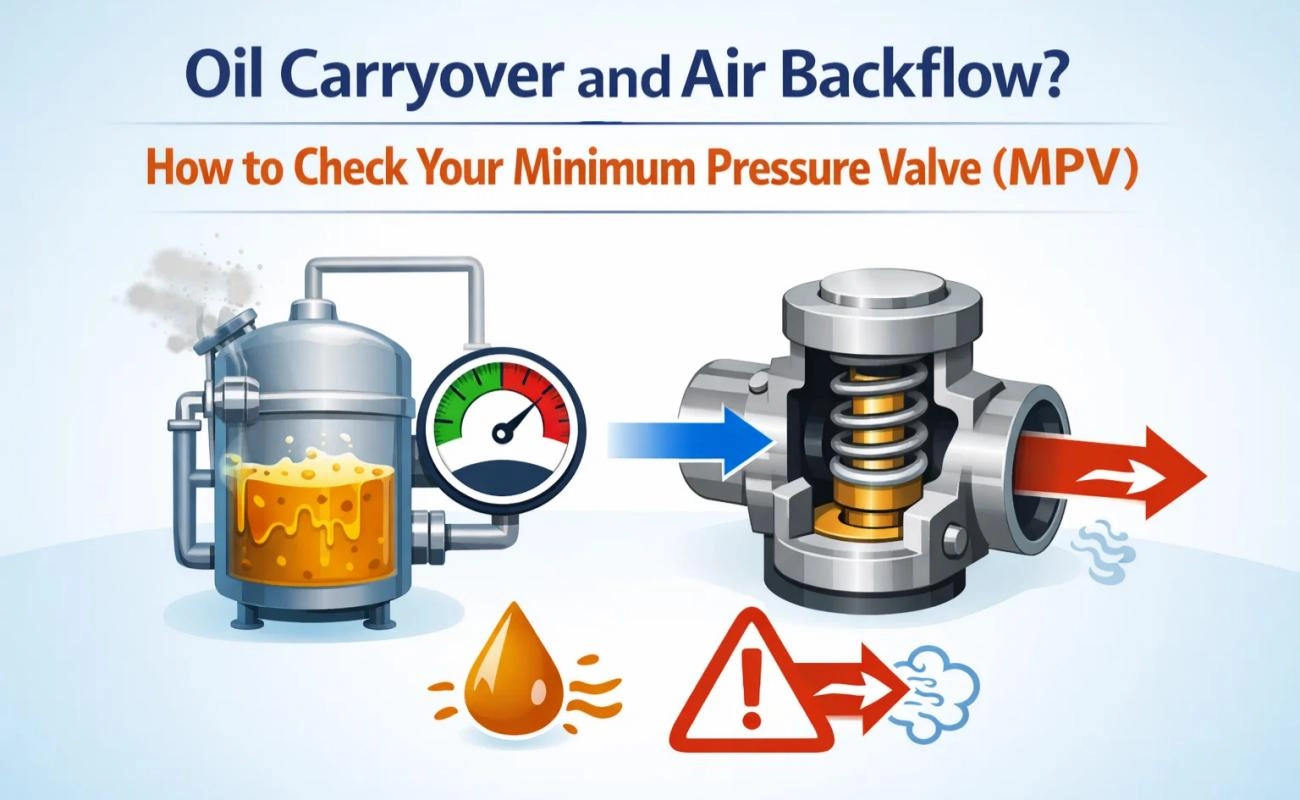
Oil Carryover and Air Backflow? How to Check Your Minimum Pressure Valve (MPV)
When operators encounter issues such as excessive oil carryover, unstable pressure after shutdown, or sudden backflow in the air system, attention often focuses on filters, separators, or inlet valves. However, one small but critical component frequently escapes notice—the Minimum Pressure Valve (MPV).
Installed at the outlet of the oil separator tank in most oil-injected screw compressors, the MPV plays a dual role essential for stable operation. Without it functioning correctly, lubrication efficiency drops, separator performance suffers, and compressed air systems may experience pressure backflow.
Because MPVs operate quietly in the background, their failure is often misunderstood or misdiagnosed. Understanding how they work is key to effective troubleshooting.
What Is the Minimum Pressure Valve?
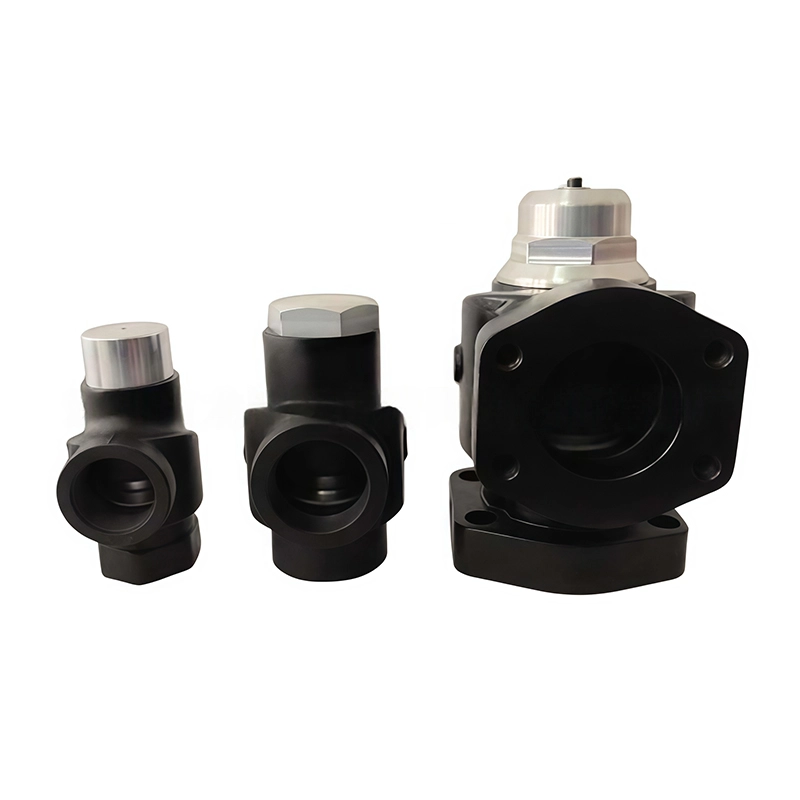
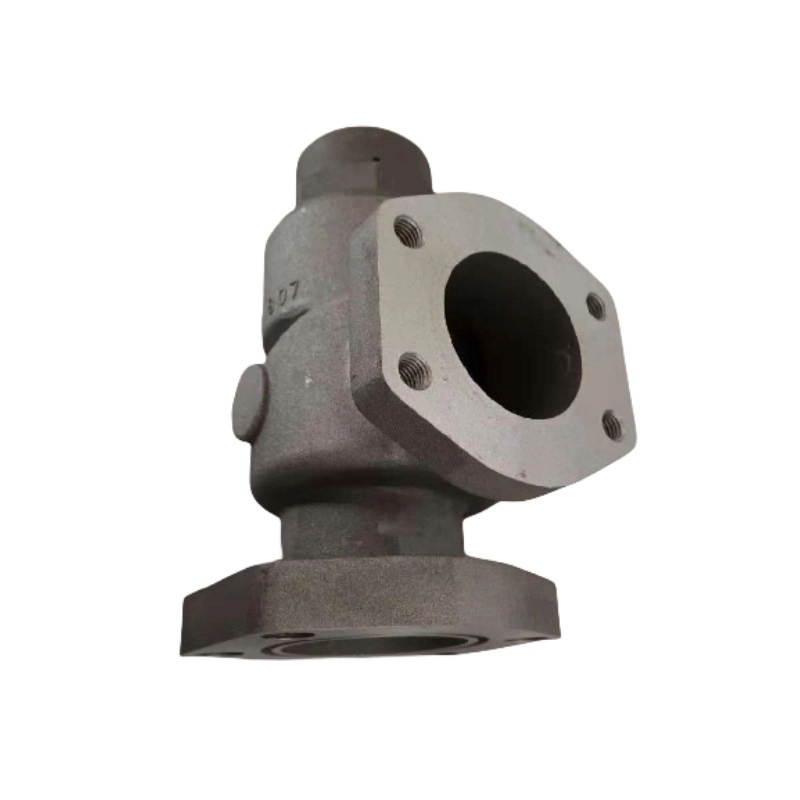
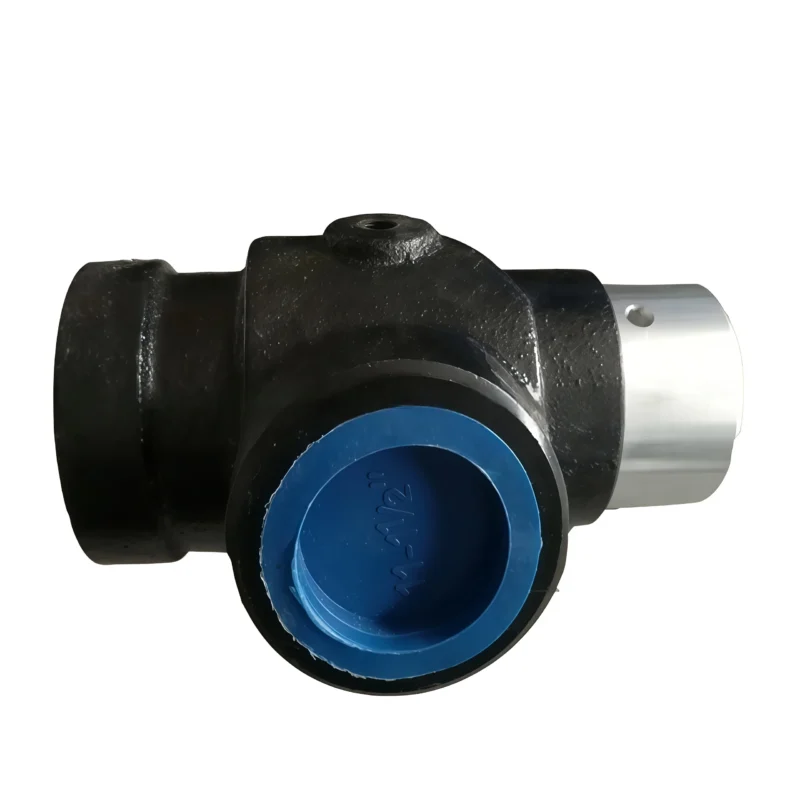
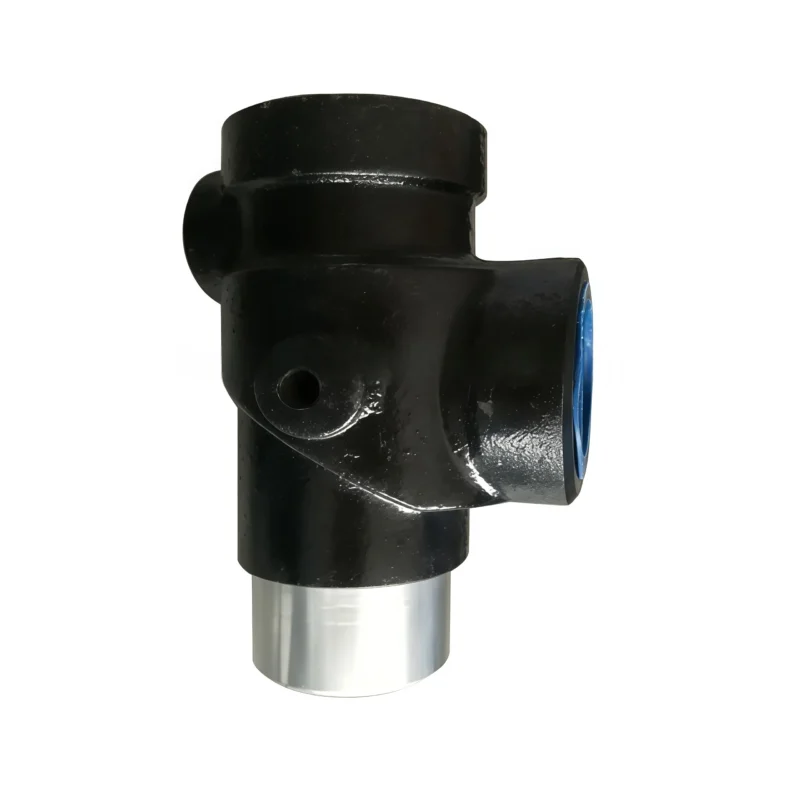
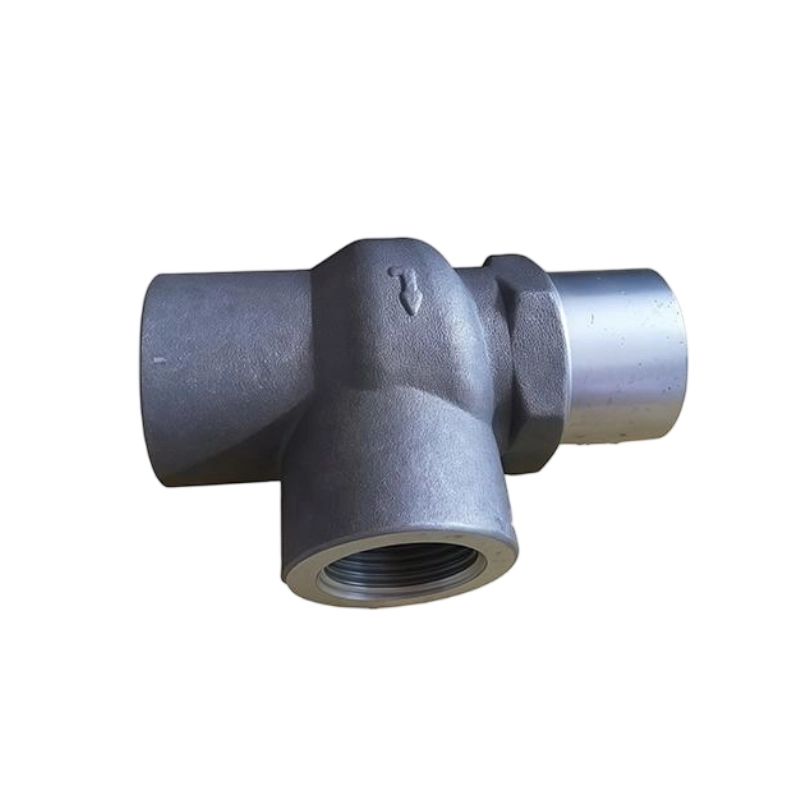
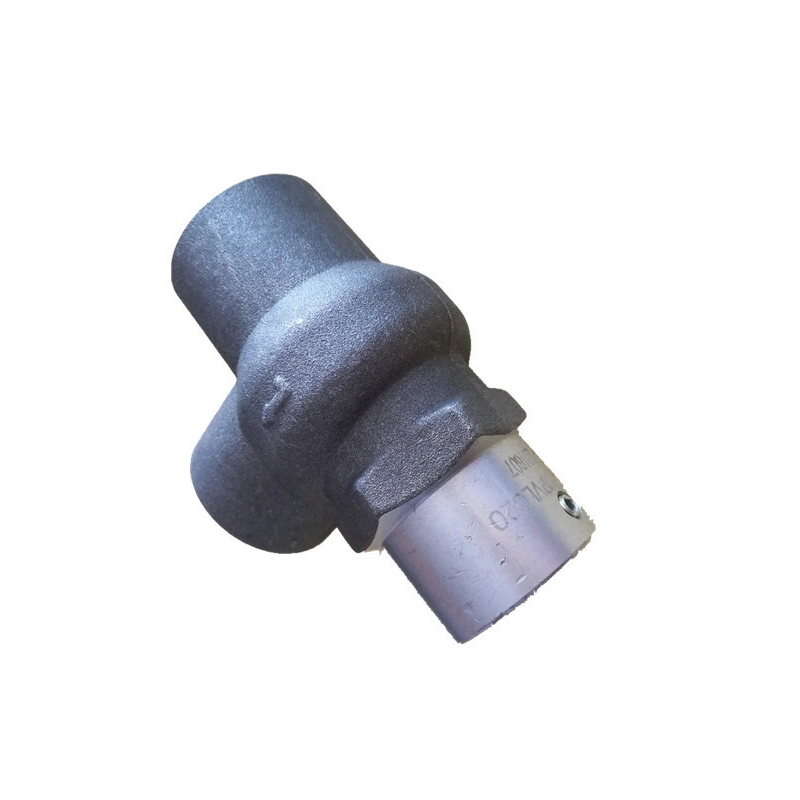
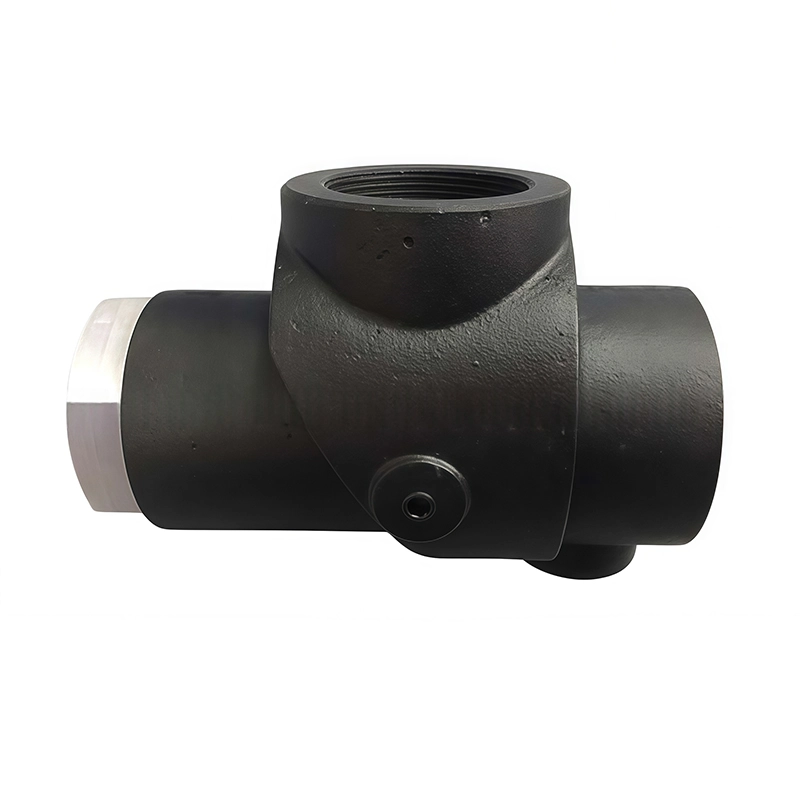
The Minimum Pressure Valve is installed downstream of the oil separator vessel and upstream of the plant air network. It typically combines two functions:
- Maintaining a minimum internal pressure within the separator tank
- Acting as a check valve preventing system pressure from flowing backward
Inside the valve, a spring-loaded mechanism keeps the outlet partially closed until internal pressure reaches a designed threshold, usually around 4–5 bar depending on machine configuration.
Only after reaching this pressure does the valve open fully, allowing air to flow to the system.
Function One: Ensuring Proper Oil Circulation
Oil-injected screw compressors rely on internal pressure to circulate lubricating oil back into the airend. Oil flow is not driven solely by pumps but largely by pressure differentials within the separator tank.
If system pressure drops too low during startup or low-load conditions, oil return becomes inefficient.
The MPV ensures that:
- Internal separator pressure builds quickly after startup
- Oil circulation stabilizes before air is delivered to the plant
- Lubrication and cooling functions operate correctly
Without sufficient pressure, lubrication weakens, temperatures rise, and mechanical wear accelerates.
In short, the MPV protects the airend during its most vulnerable operating periods.
Function Two: Preventing Air Backflow
The MPV also acts as a non-return valve, preventing compressed air stored in the plant network from flowing back into the compressor after shutdown.
If this function fails:
- Air pressure can push backward into the separator tank
- The compressor may start under load during restart
- Starting current increases dramatically
- Motor protection trips may occur
Repeated loaded starts place enormous stress on motors and drive systems.
How MPV Failure Leads to Oil Carryover
Oil carryover complaints are often traced back to separator elements. However, MPV problems can create similar symptoms.
If the valve opens too early or fails to maintain minimum pressure:
- Separator efficiency drops
- Oil droplets fail to separate properly
- Excess oil exits with compressed air
Operators then see oil in pipelines, filters, or downstream equipment, even though separator elements remain in acceptable condition.
Thus, MPV malfunction can mimic separator failure.
Common MPV Failure Modes
Over time, MPVs may suffer from several issues:
Spring fatigue
Weakening springs cause premature opening and pressure instability.
Seal wear or contamination
Oil sludge or particles prevent proper sealing, leading to leakage.
Valve sticking
Deposits or corrosion can cause delayed or incomplete valve movement.
Mechanical damage
High vibration or improper maintenance can damage internal components.
Because these failures develop gradually, operators may not immediately connect symptoms to the MPV.
Practical Methods to Check MPV Condition
Technicians can perform several practical checks:
- Observe separator tank pressure buildup during startup
- Check if pressure drops too quickly after shutdown
- Listen for air leakage back into the separator tank
- Monitor oil carryover trends
- Inspect valve internals during major service intervals
If pressure fails to reach normal levels before air delivery begins, MPV malfunction is likely.
When Should MPVs Be Serviced or Replaced?
MPVs should be inspected during major maintenance intervals or when symptoms appear. Service actions may include:
- Cleaning internal components
- Replacing seals and springs
- Replacing the entire valve assembly when wear is excessive
Because MPVs are relatively affordable compared to airend repairs, proactive replacement is often economically justified.
Business Impact: Small Valve, Big Consequences
For plants running compressors continuously, MPV failure can lead to:
- Increased oil consumption
- Contaminated air systems
- Unstable pressure delivery
- Motor stress during restart
- Higher maintenance costs
From a maintenance management perspective, MPV inspection is a low-cost measure that prevents multiple operational risks.
Conclusion: The Silent Guardian of Internal Pressure
The Minimum Pressure Valve rarely receives attention until problems occur. Yet it quietly maintains lubrication conditions and protects compressors from harmful pressure reversal.
Regular inspection and proper maintenance of the MPV ensure stable operation, better air quality, and longer compressor life.
In compressed air systems, sometimes the smallest components act as the most important guardians.