News
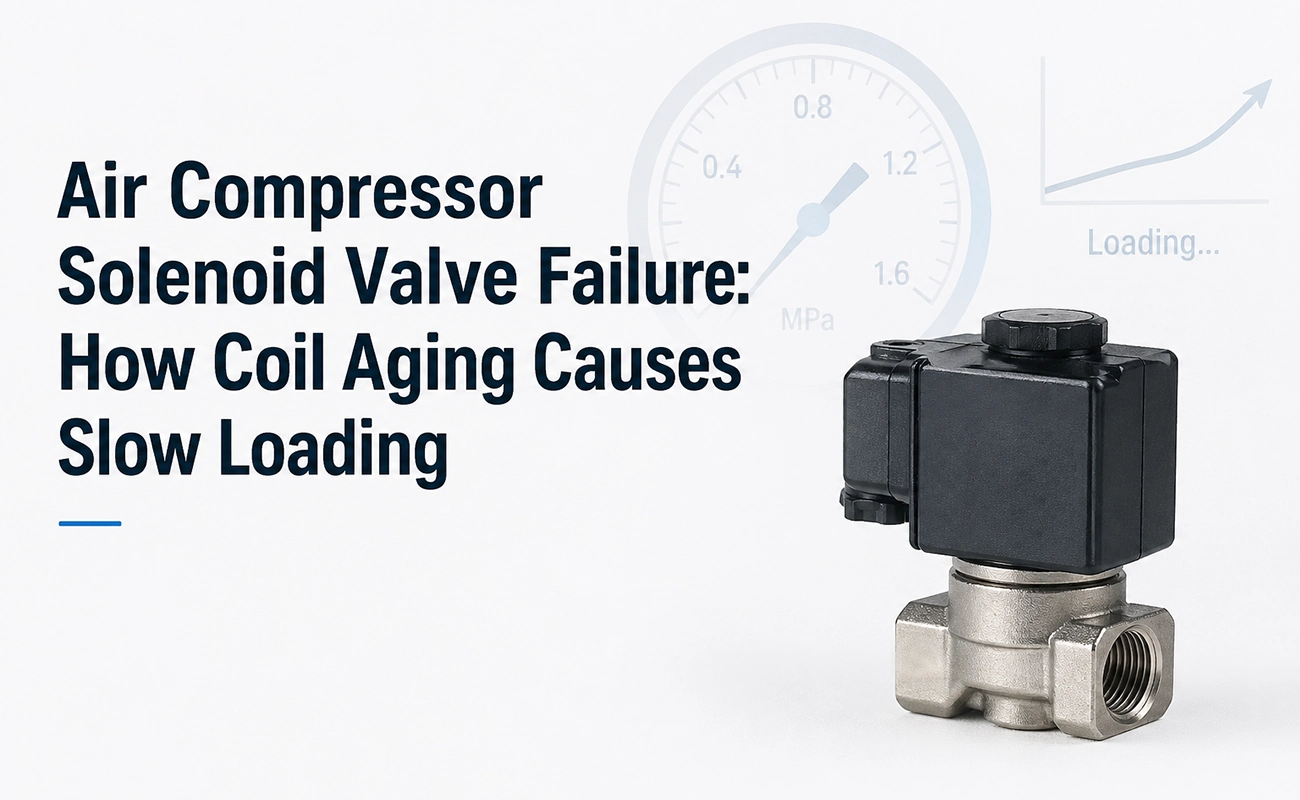
Air Compressor Solenoid Valve Failure: How Coil Aging Causes Slow Loading
If a compressor starts to feel slow when loading, many operators begin by checking pressure settings, sensors, or even the inlet valve itself. Common problems such as "slow air compressor loading," "abnormal compressor loading," and "air compressor solenoid valve failure" often point to these issues. However, in many real-world cases, the issue actually sits one step earlier in the control chain—the solenoid valve.
This small component is responsible for converting electrical signals into mechanical action. When it works properly, the system responds quickly and cleanly. When it doesn’t, everything downstream starts to lag. One of the most common—but often overlooked—reasons for this behavior is coil aging.
The Role of the Solenoid Valve in Load/Unload Control
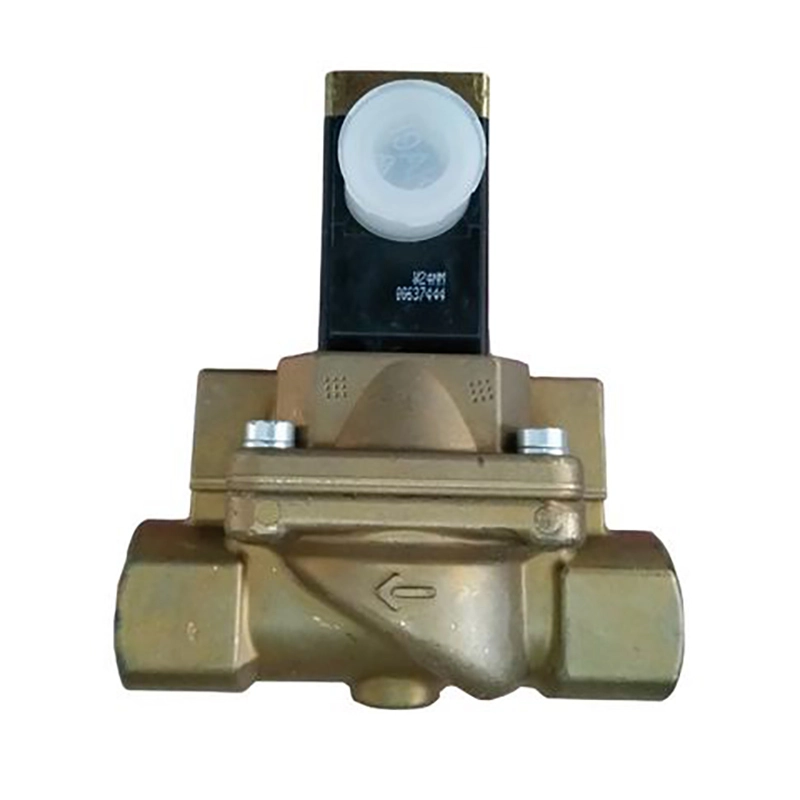
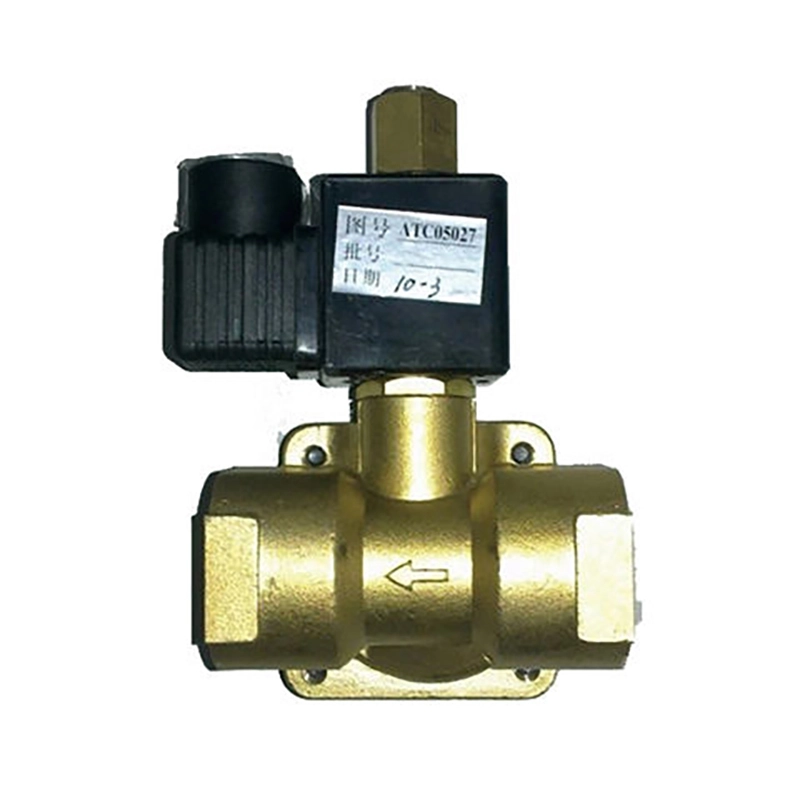
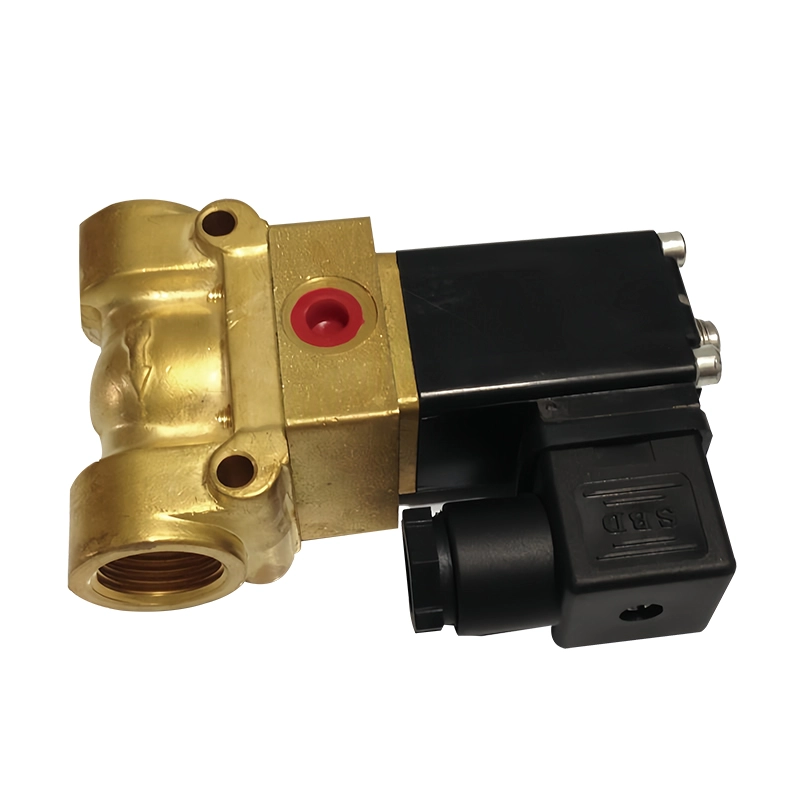
In a typical air compressor, solenoid valves act as the bridge between the control system and the mechanical components. When the controller sends a signal, the solenoid energizes, creating a magnetic field that moves an internal plunger.
This movement allows or blocks airflow, which in turn controls:
- The air cylinder that drives the inlet valve
- The unloading mechanism
- The pressure regulation sequence
In simple terms, if the solenoid reacts instantly, the compressor reacts instantly. If the solenoid hesitates, the entire system follows that delay.
What Happens as the Coil Ages
Solenoid coils operate under constant electrical load and are often exposed to elevated temperatures, especially in compact compressor cabinets with limited ventilation. Over time, this environment takes a toll. The insulation around the coil windings begins to degrade. Electrical resistance changes slightly. More importantly, the magnetic force generated by the coil weakens.
This change is gradual, which is why it often goes unnoticed. At first, the valve still works, but the response is no longer sharp. The plunger may take a fraction of a second longer to move. It may not fully seat or fully shift under certain conditions. These small delays add up.
How Weak Magnetic Force Affects System Behavior
When the solenoid cannot generate enough force quickly, the internal valve movement becomes less decisive. Instead of a clean “open” or “close,” the valve transitions more slowly.
This has a direct impact on the compressor:
The inlet valve may not open fully during loading, limiting airflow. The system takes longer to reach the target pressure. During unloading, incomplete or delayed actuation can leave residual pressure in the system, making the next startup heavier than it should be. Over time, this leads to more frequent load/unload cycling. The compressor starts working harder to maintain stable pressure, even though the demand hasn’t changed.
Energy consumption increases, but the cause is not immediately obvious.
A Common Misdiagnosis
Because symptoms are often indirect, solenoid valve problems are frequently misdiagnosed.
Operators might first notice:
- Pressure fluctuations
- Slow load response
- Unstable circulation
But the usual first reaction is to check the sensor, adjust the pressure setting, or check the inlet valve. While these checks are effective, they don't always pinpoint the root cause. If the solenoid valve is malfunctioning, every component it controls will operate inconsistently. This is why even slight aging of the coil can cause a series of system failures.
Heat: The Silent Accelerator
So what plays a crucial role in coil aging? Temperature is paramount.
In hot environments or poorly ventilated compressor rooms, solenoid valves are constantly exposed to high temperatures. This accelerates insulation damage and causes magnetic efficiency to drop faster than expected. In some cases, the valve works fine when the machine is cold, but its performance gradually declines as the temperature rises during operation. This "temperature-dependent delay" strongly indicates that the coil is nearing the end of its lifespan.
When to Replace Instead of Repair
Unlike other components, solenoid coils are typically not repairable. Therefore, replacement is the most reliable option once its performance deteriorates.
The following warning signs indicate that replacement should be considered:
- Significant delay in load/unload response
- Inconsistent valve action
- Overheating of the coil housing
- Unexplained increase in cycling frequency
Furthermore, in many maintenance situations, replacing the entire solenoid valve assembly is more practical than replacing only the coil, especially when there is wear inside the solenoid valve itself.
A Practical Maintenance Approach
For air compressors operating in harsh environments, solenoid valves are consumable control components, not permanent devices.
Therefore, regular inspections, temperature monitoring, and planned replacements can prevent unexpected performance problems. Having spare coils or valve assemblies also helps reduce downtime and increase efficiency in case of problems. Not only components, but also spare solenoid valves are essential.
Final Thoughts
When a compressor responds slowly, the problem isn't always complex. Solenoid valves, though small in size, play a crucial role in control precision. Worn coils can silently affect the entire loading/unloading cycle, leading to reduced efficiency and unnecessary wear.
For operators who want to maintain stable system operation, timely replacement of aging solenoid valves or coils is a simple and effective method. Replacing with appropriate parts results in faster system response, smoother operation, and efficiency closer to expectations. If your air compressor needs the corresponding parts, please feel free to contact us; we hope to provide assistance.