

News
Compressor Failing to Load? Why the Solenoid Valve Is Often the Culprit


Related Posts
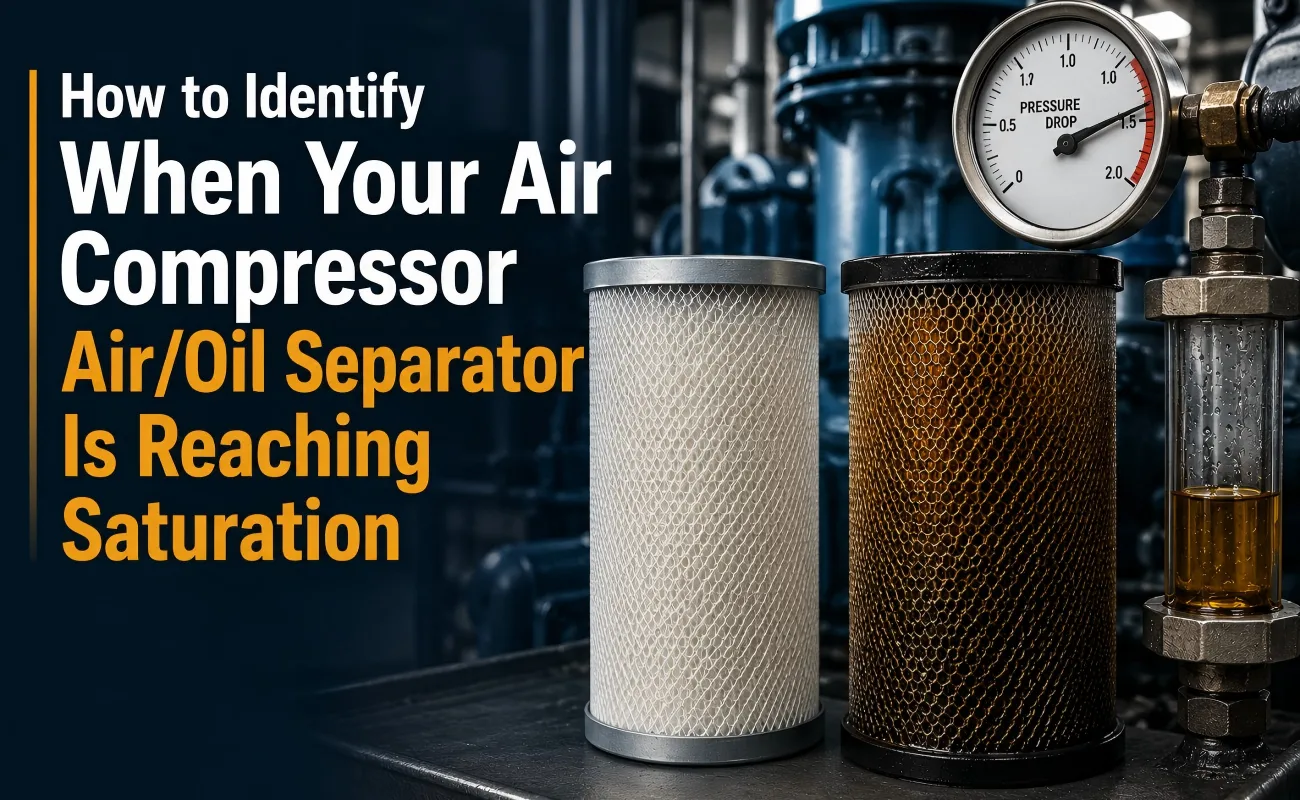
How to Identify When Your Air Compressor Air/Oil Separator Is Reaching Saturation

If your air compressor is producing more oil in the compressed air than usual, many operators immediately suspect the lubricant or the ...
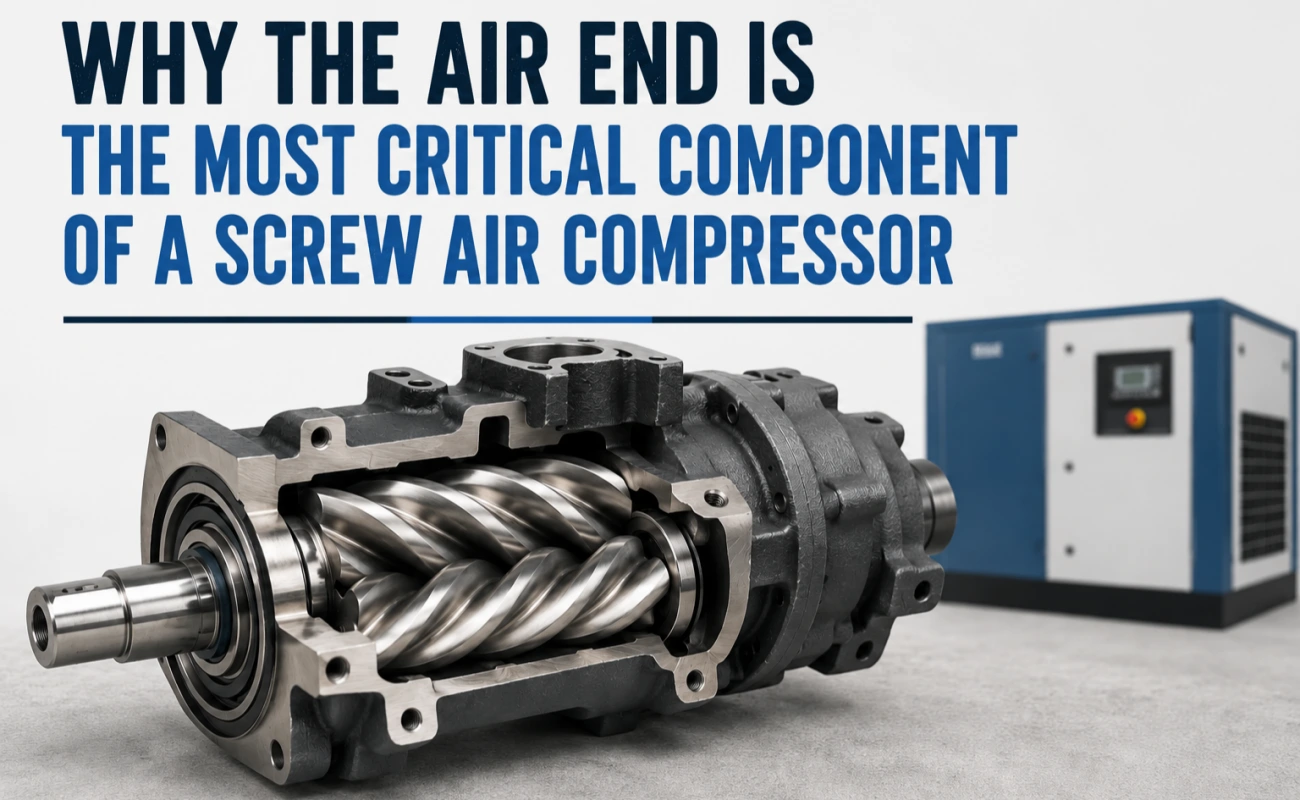
Why the Air End Is the Most Critical Component of a Screw Air Compressor
When discussing the most valuable part of rotary screw air compressor, many people immediately think of the motor, controller, or cooli...
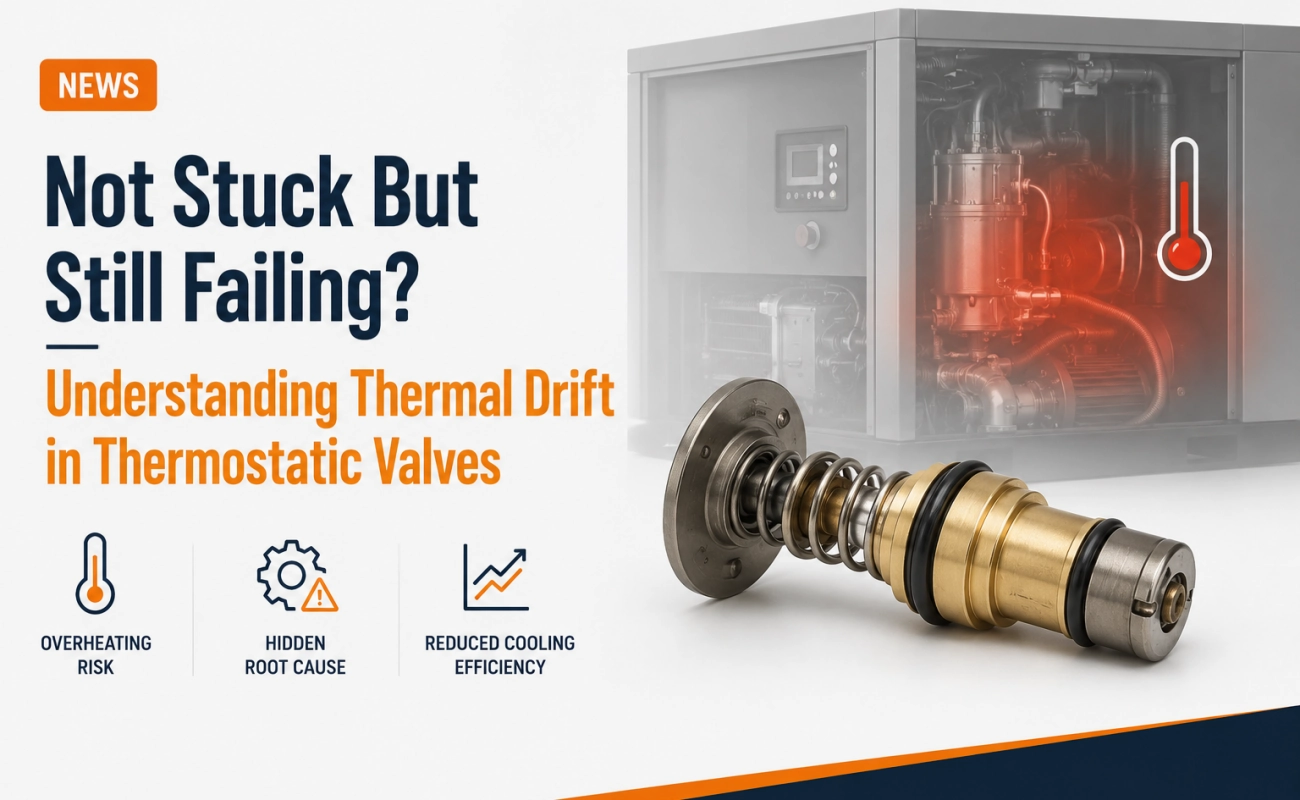
Not Stuck But Still Failing? Understanding Thermal Drift in Thermostatic Valves
When an air compressor suffers from overheating, most operators immediately check the cooler, fan motor, or temperature sensor. But in ...
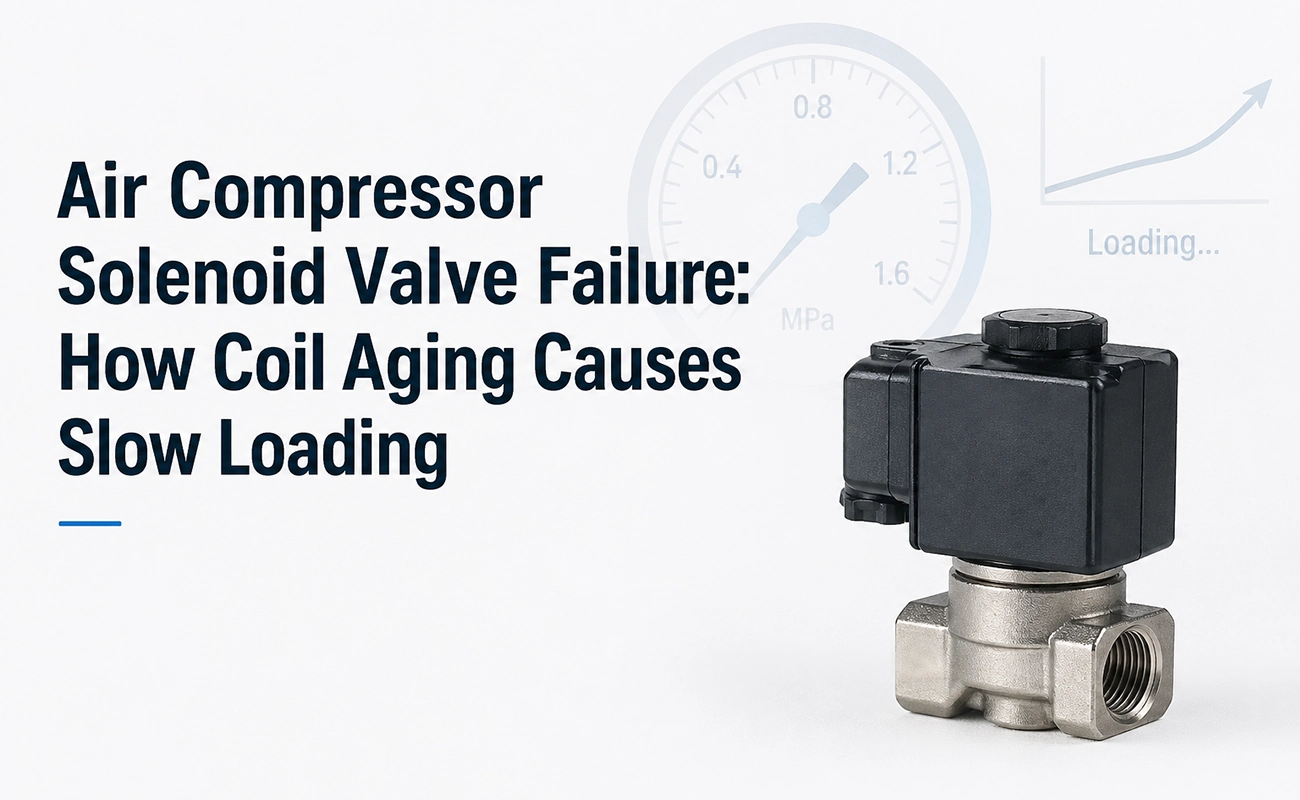
Air Compressor Solenoid Valve Failure: How Coil Aging Causes Slow Loading
If a compressor starts to feel slow when loading, many operators begin by checking pressure settings, sensors, or even the inlet valve ...

Slow Inlet Valve Response in Air Compressors: 3 Mechanical Causes and Fixes
In industrial compressed air systems, issues such as slow inlet valve response, compressor delayed loading, and unstable pressure contr...

Safety Above All: When to Replace Your Air Compressor Canopy Gas Springs
When discussing air compressor maintenance, most attention is placed on critical components such as the airend, bearings, valves, or co...
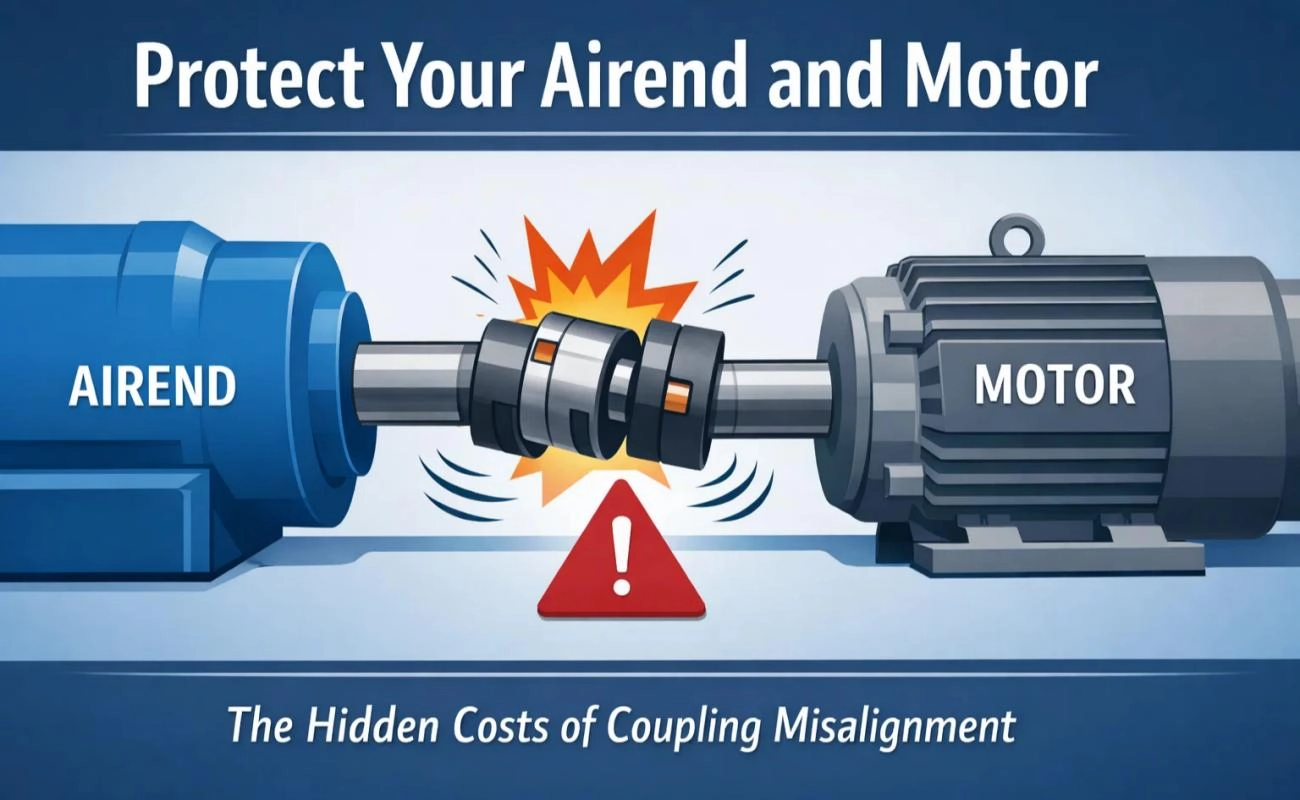
Protect Your Airend and Motor: The Hidden Costs of Coupling Misalignment
In many compressor installations, attention is usually directed toward high-value components like the airend, motor, or inverter. Yet, ...

Smooth Startups: How Unloading and Blow-down Valves Prevent Motor Overload
Few compressor problems are as frustrating — or as costly — as hard startups and unexplained motor trips. The machine looks fine, oil l...

Stop the Corrosion: Why Reliable Auto-Drain Valves Are Vital for Your Compressed Air Quality
Every air compressor produces water. Even in dry climates, every cubic meter of compressed air contains moisture that will eventually c...
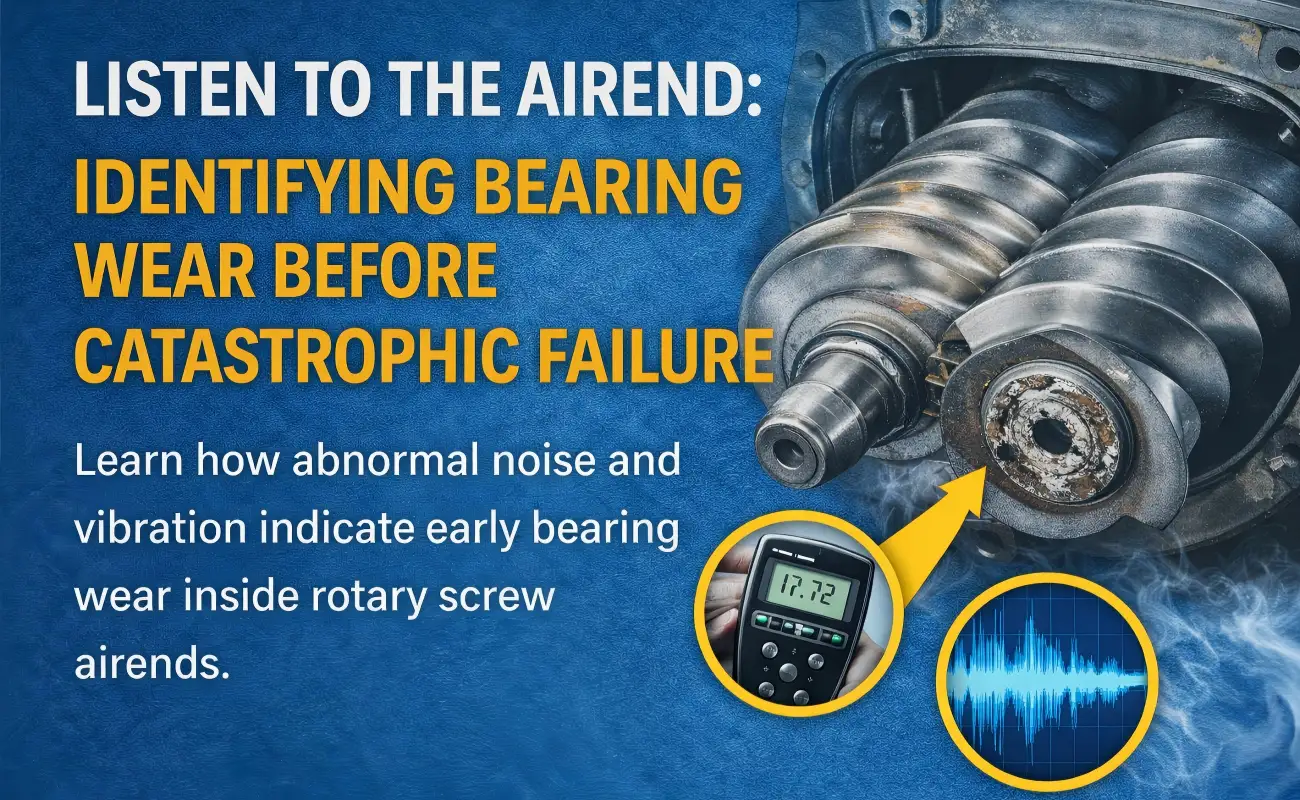
Listen to Your Airend: How Sound and Vibration Reveal Bearing Wear Before Failure
A rotary screw airend rarely fails without warning. Long before a compressor seizes or suffers catastrophic rotor damage, the machine b...

No More Overheating: 5 Hidden Culprits Behind Compressor High-Temperature Shutdowns
High-temperature shutdown is one of the most frustrating problems air compressor operators face, especially during summer or under cont...

Inlet Valve Troubleshooting Guide: Air Compressor Pressure & Unloading Problems
In a rotary screw air compressor, the inlet valve plays a far more critical role than many operators realize. It is not just an air on–...