News
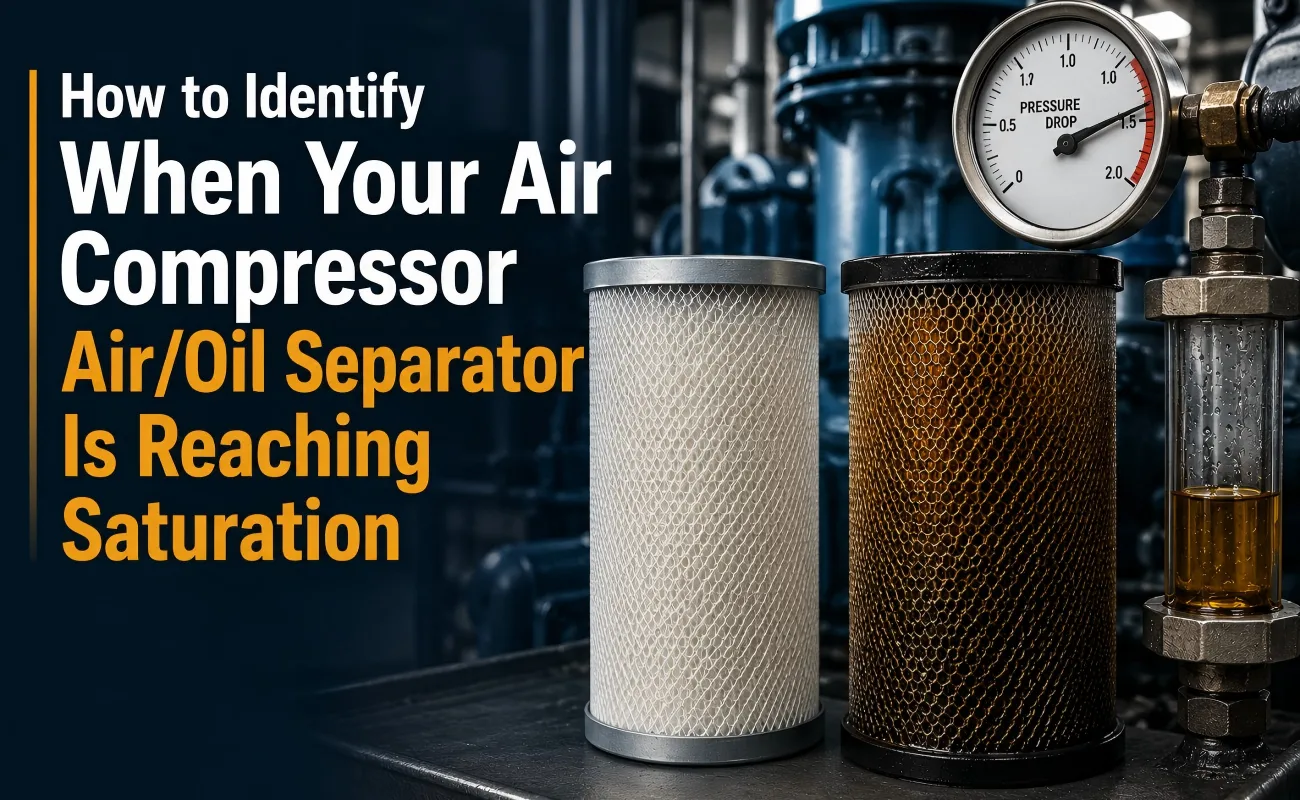
How to Identify When Your Air Compressor Air/Oil Separator Is Reaching Saturation
If your air compressor is producing more oil in the compressed air than usual, many operators immediately suspect the lubricant or the oil separator itself has failed. However, in many cases, the separator element hasn't completely broken down—it has simply reached its saturation point.
Searches such as air compressor oil carryover, when to replace an air oil separator, and oil separator pressure drop are becoming increasingly common because many maintenance teams struggle to determine the right replacement time. Replacing the separator too early increases maintenance costs, while waiting too long can contaminate the entire compressed air system.
So, how do you know when an air/oil separator has reached the end of its effective service life?
The Air/Oil Separator Does More Than Remove Oil
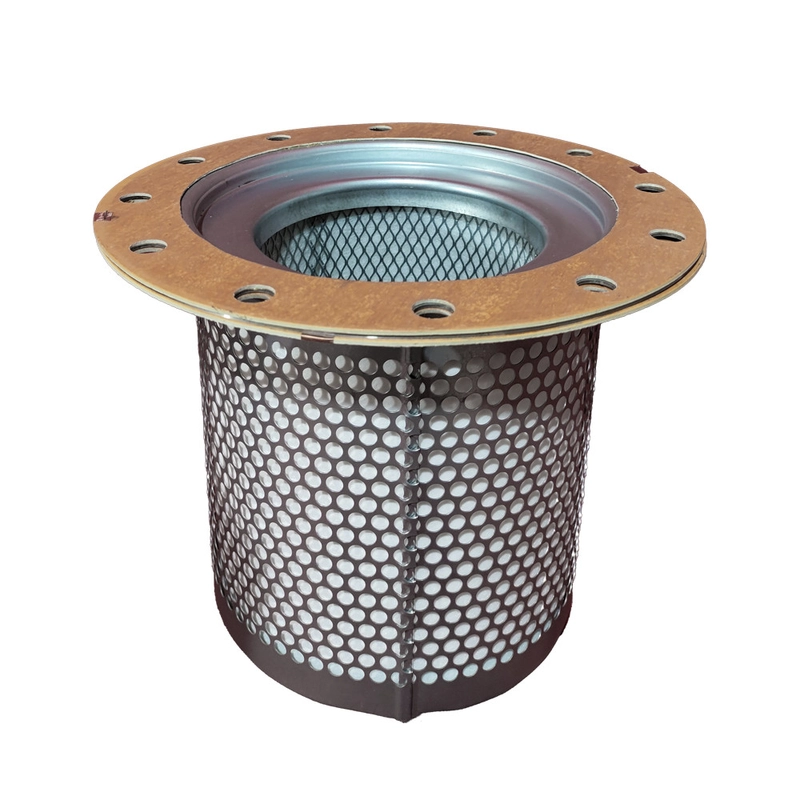
Inside an oil-injected rotary screw compressor, compressed air leaving the airend contains a fine oil mist. The air/oil separator element captures these microscopic oil droplets and returns the lubricant to the oil circuit, allowing clean compressed air to leave the separator tank.
When the separator is new, filtration efficiency is extremely high. Most oil particles are captured before they reach the discharge pipeline, keeping downstream equipment clean while minimizing lubricant consumption.
As operating hours increase, however, the filter media gradually becomes saturated with contaminants, oxidation products, and microscopic particles. The separator may still function, but its efficiency slowly declines.
Unlike a damaged bearing or a failed valve, this process is gradual, making it easy to overlook.
Pressure Drop Is Only Part of the Story
Many maintenance schedules rely heavily on differential pressure across the separator element. While pressure drop is an important indicator, it is not the only sign that replacement is needed.
In fact, some separator elements begin allowing more oil mist to pass through before pressure increases significantly.
This means a separator can still appear "acceptable" based on pressure readings while already contaminating the compressed air system.
For this reason, experienced maintenance engineers rarely rely on pressure gauges alone.
Oil Carryover Is Often the First Visible Warning
One of the clearest indicators of separator saturation is increasing oil carryover.
As the filter media loses its ability to capture fine oil droplets, more lubricant travels downstream with the compressed air.
Operators may begin noticing:
- Thin oil films inside air pipelines.
- Oily residue around pneumatic tools.
- Oil contamination in filters or dryers.
- Increased lubricant consumption without visible external leaks.
These symptoms usually appear gradually rather than all at once.
Because production can continue normally, many facilities overlook them until downstream equipment begins experiencing problems.
Downstream Equipment Usually Shows the Problem First
Interestingly, the compressor itself may not provide the first warning. Instead, the earliest signs often appear elsewhere in the compressed air system.
Maintenance personnel may discover oily deposits inside air receivers, automatic drain valves, regulators, or production equipment. Pneumatic cylinders may accumulate sticky residue, while air-operated instruments become more difficult to maintain.
In applications such as food processing, pharmaceutical manufacturing, painting, laser cutting, or electronics production, even small amounts of oil carryover can affect product quality.
By the time oil contamination becomes obvious throughout the pipeline, the separator element has usually been operating beyond its optimal service life.
What Causes Separator Saturation to Happen Faster?
The service life of an air/oil separator is not determined by operating hours alone.
Several operating conditions can accelerate saturation, including poor intake air quality, excessive dust, degraded compressor oil, frequent high-temperature operation, and extended maintenance intervals.
When lubricant begins to oxidize, more carbon particles circulate through the oil system, increasing the separator's workload. Similarly, clogged air filters allow additional contaminants into the compressor, shortening separator life even further.
This is why two identical compressors operating in different environments may require separator replacement at very different intervals.
Don't Wait Until Oil Consumption Becomes Expensive
Some operators continue using the separator until oil consumption becomes impossible to ignore.
Unfortunately, by this stage the hidden costs are already increasing.
Excess oil entering the compressed air system can overload downstream filters, reduce dryer efficiency, contaminate pneumatic equipment, and increase maintenance frequency throughout the plant.
Compared with these secondary costs, replacing the separator element at the appropriate time is usually a much more economical decision.
Preventive maintenance not only protects the compressor but also helps protect every piece of equipment connected to the compressed air network.
Choosing the Right Replacement Separator Matters
Not all separator elements perform the same.
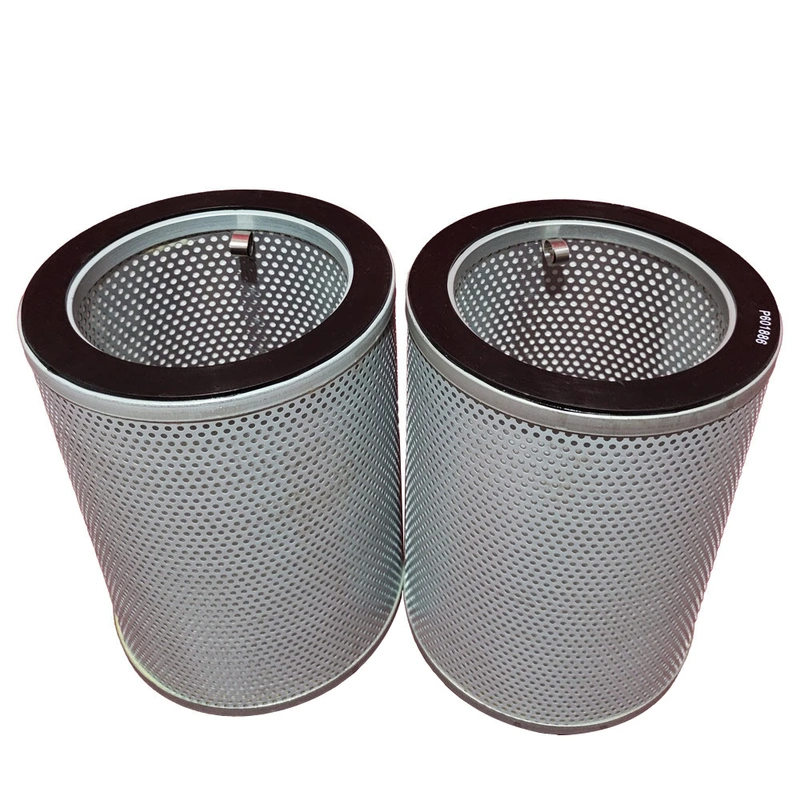
A high-quality separator uses premium filtration media designed to provide low pressure drop while maintaining excellent oil separation efficiency throughout its service life.
Inferior separator elements may appear similar externally, but often suffer from higher pressure loss, lower separation efficiency, and shorter operating life.
For industrial users running compressors continuously, investing in reliable separator elements usually delivers lower energy consumption, cleaner compressed air, and reduced maintenance costs over the long term.
Final Thoughts
An air/oil separator doesn't suddenly stop working overnight. Most separator elements gradually approach a saturation point where filtration efficiency declines long before complete failure occurs.
Looking beyond the pressure gauge is the key to preventing unnecessary oil carryover. Regularly checking downstream pipelines, pneumatic equipment, and lubricant consumption provides a much clearer picture of separator performance.
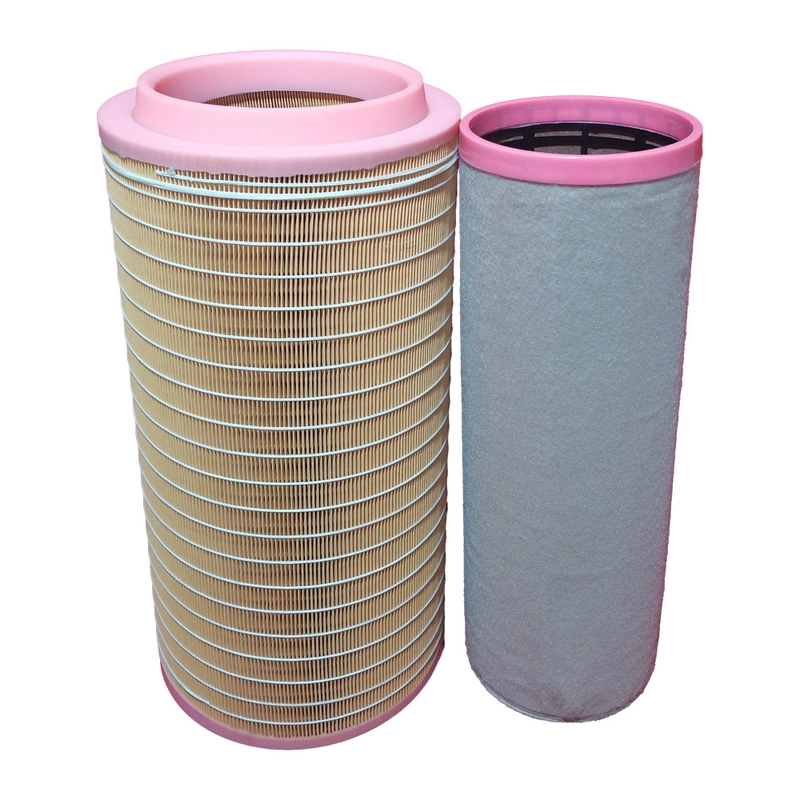
At AirCompressorKit, we supply high-performance air/oil separator elements engineered for stable pressure drop, efficient oil removal, and long service life. Whether you're maintaining a single compressor or managing an entire compressed air system, choosing quality replacement separator filters helps protect your equipment, improve air quality, and reduce long-term operating costs.