News
Safety Above All: When to Replace Your Air Compressor Canopy Gas Springs
When discussing air compressor maintenance, most attention is placed on critical components such as the airend, bearings, valves, or cooling systems. These parts directly affect performance and production stability. However, there is another component that rarely appears on maintenance checklists but plays an important role in daily operation: the gas spring used on compressor canopy doors.
Many industrial air compressors are enclosed within protective soundproof cabinets. These enclosures reduce noise and protect internal components from dust and environmental exposure. To allow maintenance access, large canopy panels or service doors must be lifted or opened regularly.
Because these panels are heavy—sometimes weighing 20–40 kilograms—gas springs are installed to support and stabilize the door during opening.
When gas springs fail, the result is not just inconvenience. It can quickly become a serious safety hazard for technicians working around the machine.
What Is a Gas Spring and How Does It Work?
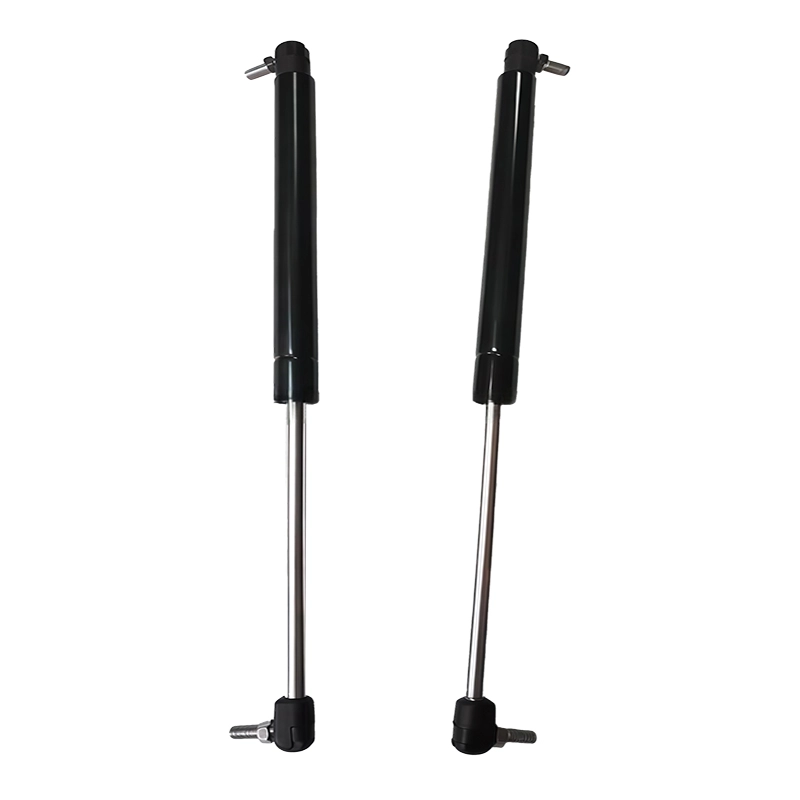
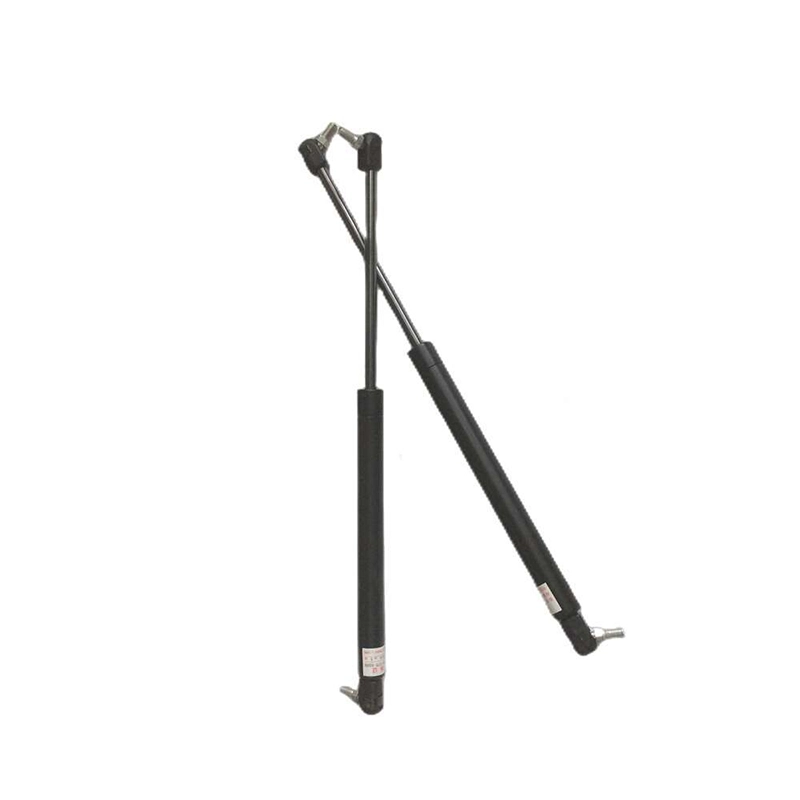
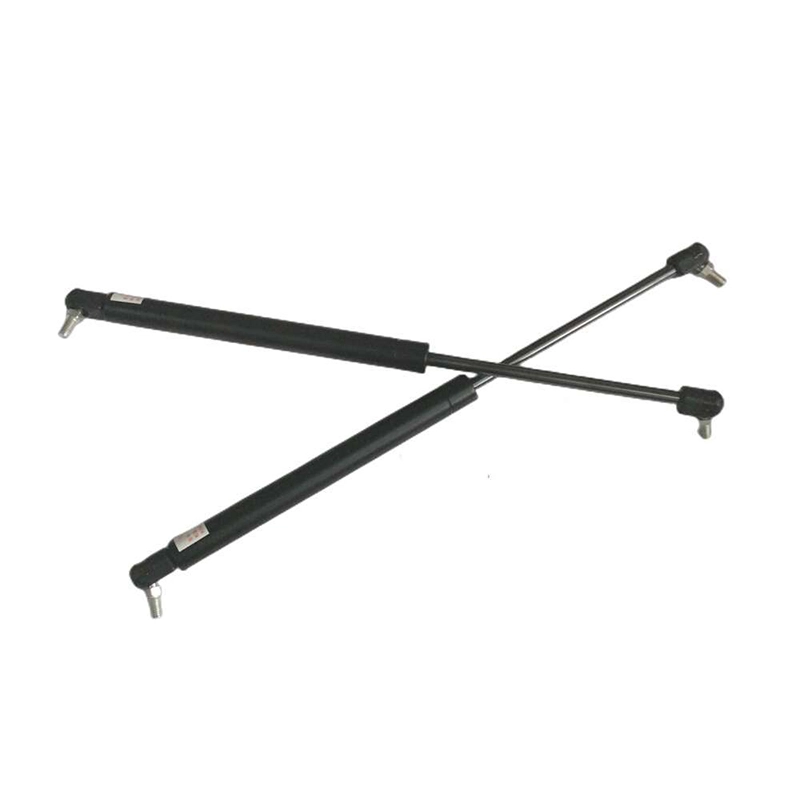
A gas spring is a sealed mechanical device that uses compressed nitrogen gas inside a cylinder to generate lifting force. It works similarly to a shock absorber but in reverse: instead of absorbing movement, it assists lifting and holding heavy panels in position.
Inside the gas spring are several key components:
- A high-pressure nitrogen chamber
- A piston rod and internal piston
- Sealing rings to prevent gas leakage
- Hydraulic oil for damping at the end of stroke
When the canopy door is opened, the gas spring expands and provides upward force, counterbalancing the door’s weight. This allows operators to open the cover smoothly with minimal effort.
More importantly, the gas spring keeps the panel safely in the open position, preventing accidental closure.
Without this support, a canopy door can fall suddenly, which poses a clear danger during maintenance.
Why Gas Spring Failure Is a Safety Risk
Gas springs gradually lose pressure over time due to seal wear or microscopic gas leakage. This process is slow and often unnoticed until the lifting force becomes insufficient.
When the internal gas pressure drops below the required support force, several problems may occur:
- The door becomes difficult to open
Maintenance personnel must use more force, increasing the risk of losing control. - The door cannot stay fully open
Technicians may need to hold the panel with one hand while working, which is unsafe. - Sudden closure risk
If the gas spring can no longer support the weight, the canopy door may fall unexpectedly.
This situation is particularly dangerous when technicians are leaning into the compressor cabinet to inspect components such as filters, belts, or valves.
Even a relatively small door falling from height can cause injuries to hands, arms, or head.
Common Signs That Gas Springs Need Replacement
Because gas springs fail gradually, early warning signs usually appear before total failure.
Maintenance teams should watch for the following indicators:
- The canopy door drops slowly after opening
If the door cannot stay in position without assistance, the gas spring has likely lost pressure. - Opening the door requires noticeable effort
Reduced lifting assistance indicates weakening internal gas pressure. - Visible oil or residue around the rod seal
This may signal seal damage and internal gas leakage. - Uneven door movement
If one gas spring weakens faster than the other, the door may tilt or move irregularly.
Ignoring these warning signs can eventually lead to sudden failure.
Typical Replacement Intervals
Unlike mechanical components such as bearings, gas springs do not fail due to rotation or heavy load cycles. Their lifespan is primarily affected by seal aging and internal pressure loss.
In industrial compressor applications, gas springs typically last three to five years, depending on operating conditions.
Factors that can shorten service life include:
- High ambient temperature
- Frequent opening cycles
- Dust contamination around seals
- Corrosion in humid environments
Because the cost of gas springs is relatively low, proactive replacement is often the safest approach.
Replacing them during scheduled maintenance prevents unexpected failures during daily operation.
Choosing the Correct Gas Spring
When selecting replacement gas springs, several specifications must match the original design:
- Force rating (Newton value)
The lifting force must match the weight of the canopy door. - Extended and compressed length
Incorrect length may prevent full opening or proper closing. - End fittings and mounting brackets
Compatibility with existing mounting points is essential. - Corrosion resistance
For harsh environments, coated or stainless rods improve durability.
Using a gas spring with incorrect specifications can lead to improper door movement or uneven load distribution.
Maintenance Tips to Extend Service Life
Although gas springs are sealed units, simple maintenance practices can help prolong their lifespan.
Technicians should:
- Keep the piston rod clean to protect seals
- Avoid scratching or damaging the rod surface
- Inspect mounting brackets regularly
- Replace gas springs in pairs for balanced lifting force
Proper installation alignment also reduces side load on the piston rod, which helps maintain sealing performance.
Safety Should Never Be Overlooked
In industrial equipment maintenance, it is easy to focus only on components that affect production efficiency. However, small parts that improve safety and usability are equally important.
Gas springs may seem like simple accessories, but they play a key role in protecting technicians who work on compressors every day.
A well-functioning canopy support system ensures that maintenance can be performed safely, efficiently, and comfortably.
Conclusion: Small Parts, Big Responsibility
Gas springs are rarely the most expensive component in an air compressor, but their importance should not be underestimated. When they lose pressure or fail unexpectedly, the result can be dangerous for maintenance personnel.
Routine inspection and timely replacement help maintain both equipment accessibility and workplace safety.
For operators and maintenance teams alike, paying attention to these small mechanical details reflects a broader commitment: protecting people while keeping machines running smoothly.