Product Applications

Why the Air End Is the Most Critical Component of a Screw Air Compressor

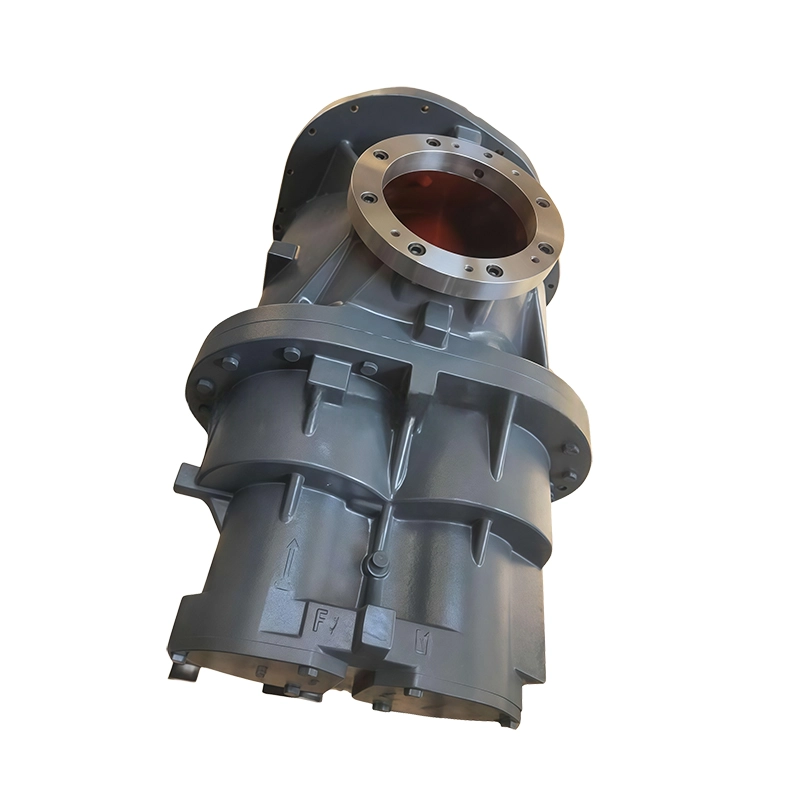
Screw Air Compressor Air End

When discussing the most valuable part of rotary screw air compressor, many people immediately think of the motor, controller, or cooling system. These components are certainly important, but the real heart of the air compressor is the air end. In fact, many common user search questions, many point to the same concern: the condition of the air end determines the overall performance and lifespan of the compressor. The air end is where air is actually compressed. It is the component that converts mechanical energy from the motor into compressed air. Its design accuracy, manufacturing quality, and operating condition directly influence efficiency, energy consumption, and long-term reliability.

The Air End Is the Core of the Compression Process

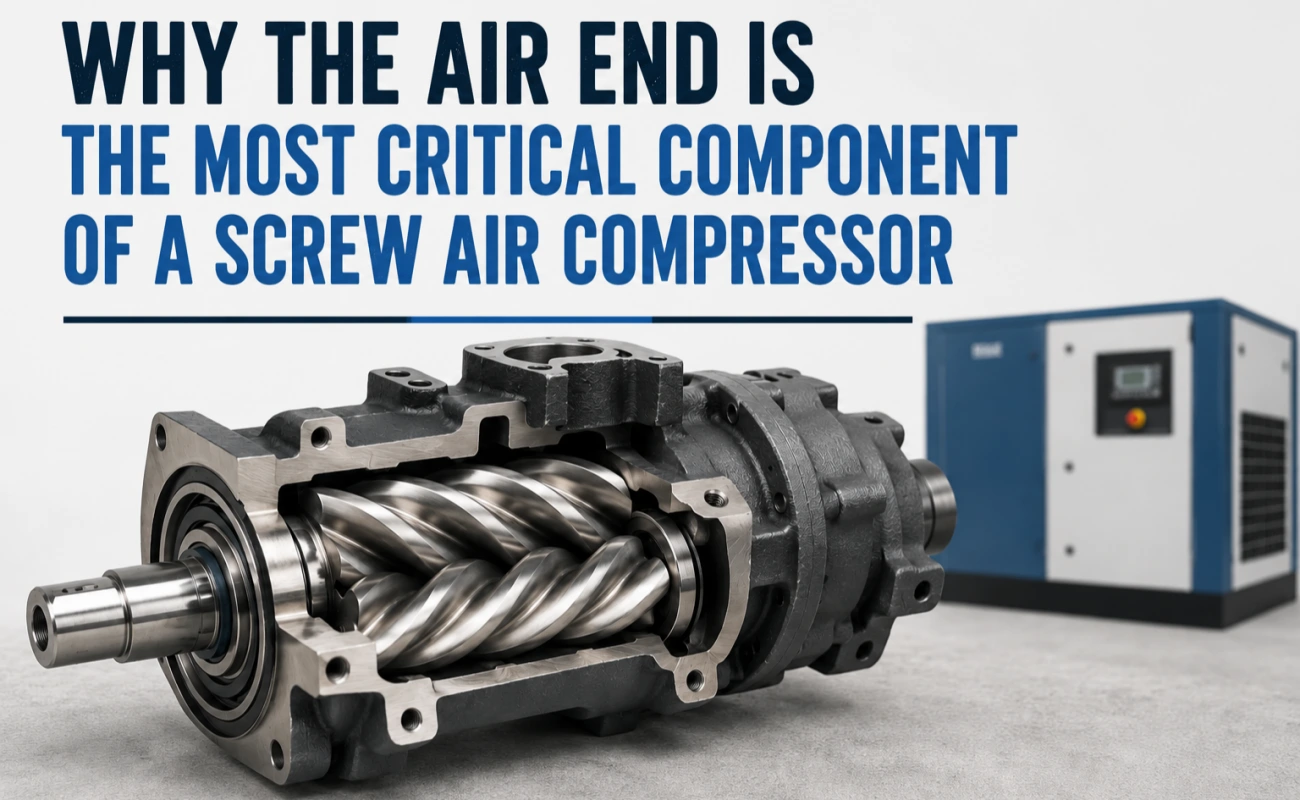
A rotary screw air end mainly consists of a pair of precisely machined male and female rotors, bearings, a housing, shaft seals, and lubrication channels.

When the motor drives the rotors to rotate at high speed, air enters the compression chamber and becomes trapped between the rotor lobes and the housing. As the rotors continue turning, the space between them gradually decreases, reducing the air volume and increasing pressure before the compressed air exits the air end.

This process happens thousands of times every minute. Even a small change in rotor clearance or bearing condition can affect compression efficiency.

That is why the air end requires extremely high machining precision and strict quality control.

Air End Efficiency Has a Direct Impact on Energy Costs

For most industrial users, electricity is the largest operating cost of an air compressor. A high-quality air end with precise rotor profiles and proper internal clearances can produce more compressed air while consuming less energy.

However, as the air end accumulates operating hours, components gradually wear. Bearing wear, increased rotor clearance, and internal leakage can reduce volumetric efficiency.

The first signs are often subtle. Operators may notice:

  • Lower air output at the same operating conditions
  • Longer loading times
  • Increased power consumption
  • Higher discharge temperatures
  • More frequent loading and unloading cycles

Many users continue operating the machine because it still produces air. However, an inefficient air end can silently increase energy costs month after month.

Air End Failure Is Usually Not a Sudden Event

A common misconception is that an air end fails without warning. In reality, most major failures develop gradually.

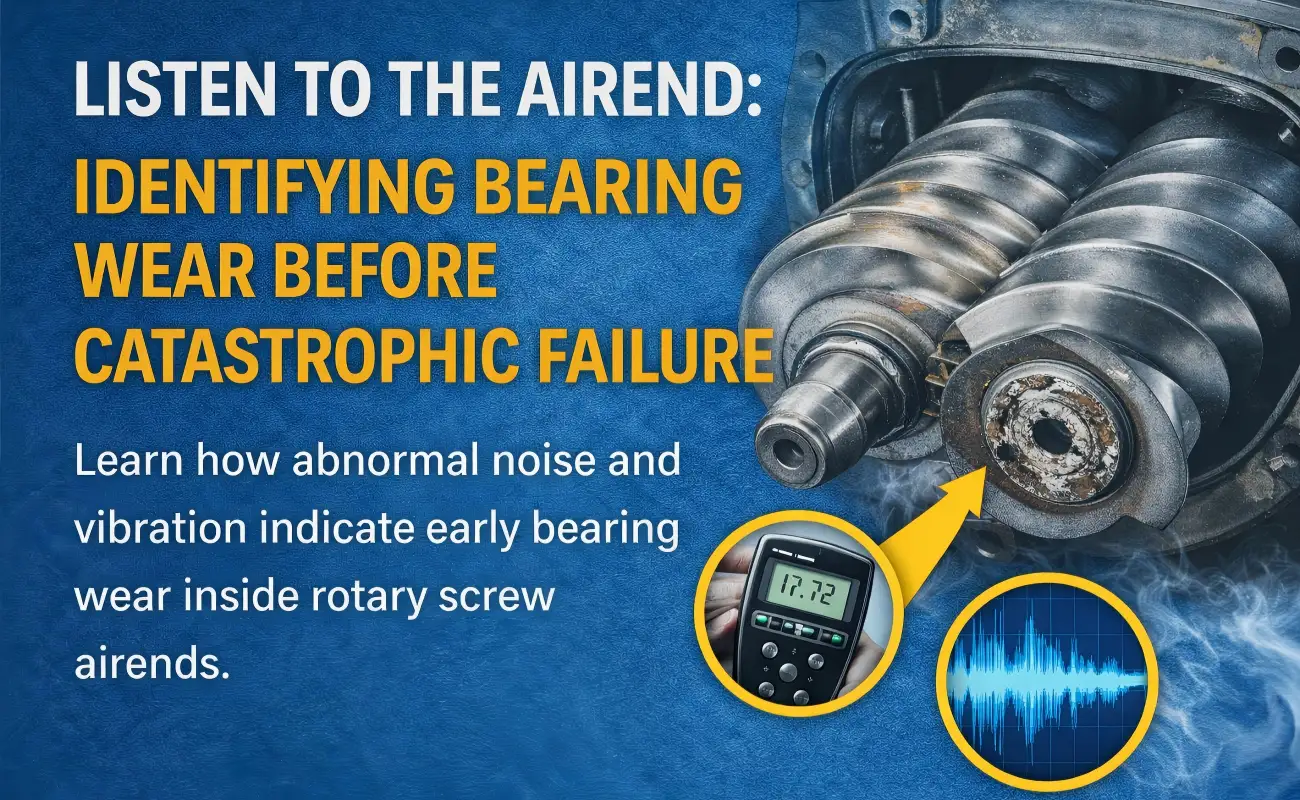
One of the most common causes is bearing deterioration. The bearings inside the air end support the rotors and maintain precise alignment. After long periods of high-speed operation, the bearings may develop wear, increased clearance, or lubrication-related damage.

As the bearing condition worsens, the compressor may begin to produce unusual vibration, abnormal noise, or increased operating temperature.

If these warning signs are ignored, the rotors may lose proper alignment and contact each other or the housing. This can result in severe rotor damage and, in extreme cases, complete air end seizure.

Compared with replacing bearings at the right maintenance interval, replacing an entire air end is significantly more expensive.

Lubrication and Cooling Are Essential for Air End Life

In oil-injected screw compressors, lubricating oil does much more than reduce friction.

It helps seal the gap between the rotors, removes heat generated during compression, protects bearings, and prevents premature wear.

Poor oil quality, overdue oil changes, contaminated oil filters, or incorrect operating temperature can all shorten air end life.

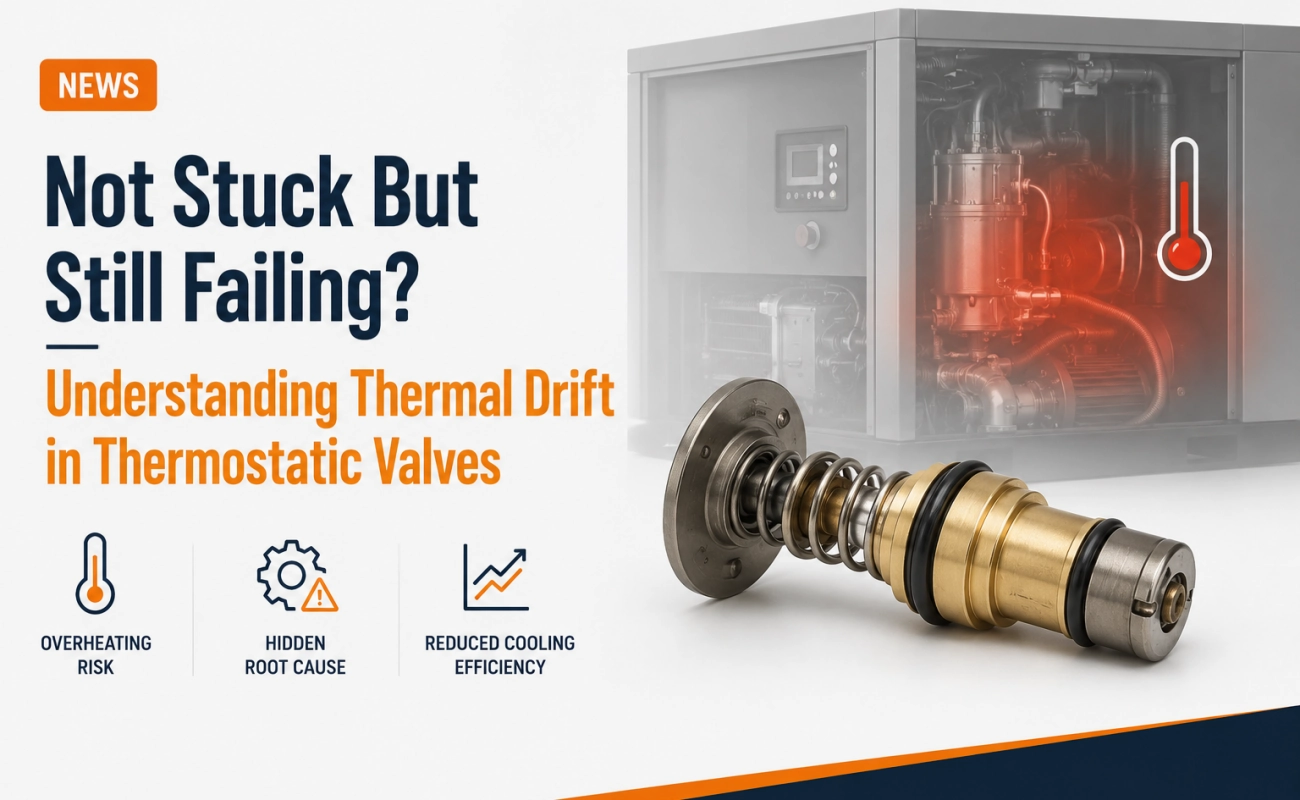
For example, excessive oil temperature accelerates oil oxidation and reduces lubrication performance. On the other hand, oil temperatures that are too low may allow moisture to remain in the system, causing sludge formation and internal contamination.

Maintaining the correct oil temperature and using high-quality filtration components are simple but effective ways to protect the air end.

Proper Maintenance Prevents Expensive Repairs

Because the air end is one of the most expensive components in a screw compressor, preventive maintenance should always be prioritized.

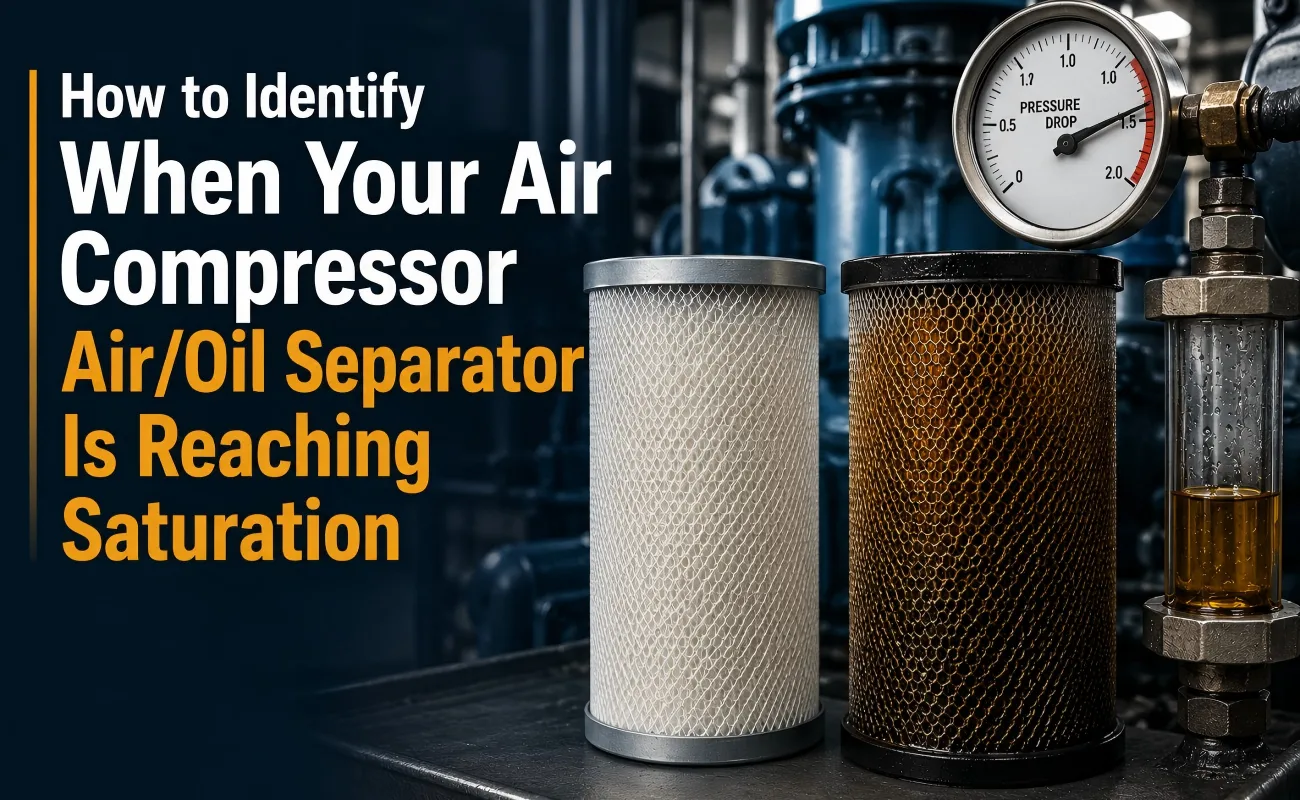
Regular maintenance should include monitoring vibration levels, checking operating temperature, inspecting for unusual noise, and replacing consumable parts such as oil filters, air filters, and separator elements on schedule.

For compressors with high operating hours, preventive bearing replacement may also be necessary before serious damage occurs.

Many costly air end failures begin with a small problem that was ignored for too long.

Choosing the Right Air End Is an Investment

When replacing an air end, the cheapest option is not always the most economical. Rotor machining accuracy, bearing quality, sealing performance, and manufacturing standards all determine how efficiently the compressor will operate over thousands of hours.

A reliable air end provides stable airflow, lower energy consumption, and longer service intervals, helping businesses reduce total ownership costs.

For distributors, repair workshops, and industrial users, choosing a trusted air end supplier is just as important as selecting the right compressor itself.

Final Thoughts

The air end is often called the “heart” of a rotary screw air compressor for a good reason. It is responsible for the compression process, influences energy efficiency, and determines the long-term reliability of the entire machine.

Although many compressor problems may appear to come from other components, the condition of the air end should never be overlooked. Regular inspections, proper lubrication management, and timely replacement of wear parts can significantly extend air end service life.

At AirCompressorKit, we provide reliable replacement air ends and compressor spare parts designed to support stable performance and reduce unexpected downtime. Whether you need a complete air end assembly, bearings, shaft seals, or maintenance components, choosing quality parts is the best way to protect the most valuable component inside your compressor.