Product Applications

Stop the Corrosion: Why Reliable Auto-Drain Valves Are Vital for Your Compressed Air Quality

Reliable Auto Drain Valves

Every air compressor produces water. Even in dry climates, every cubic meter of compressed air contains moisture that will eventually condense as pressure and temperature change inside the system. When this water is not removed efficiently, it becomes one of the most destructive forces in your compressed air network.

Condensate corrodes steel pipes, washes away lubricants inside pneumatic tools, damages valves and cylinders, and contaminates finished products. In factories running CNC machines, packaging lines, or paint systems, moisture can quickly lead to defective products, downtime, and costly rework. Yet many operators still treat drainage as an afterthought.

The truth is simple: no matter how advanced your compressor is, your system is only as clean as its ability to remove water. That is why auto-drain valves, solenoid control, and proper cooling design are not accessories—they are core reliability components.

Where Does All That Water Come From?

Atmospheric air always contains humidity. When air is compressed, its temperature rises, allowing it to hold more moisture in vapor form. Once the air flows into coolers, pipes, or tanks, that vapor condenses into liquid water.

A 75 kW screw compressor running in a humid environment can generate tens of liters of condensate every day. This water collects in:

  • Aftercoolers
  • Air receivers
  • Filters
  • Refrigerated dryers
  • Low points in piping

If it is not drained continuously, it will be carried downstream with the airflow, damaging everything in its path.

Why Manual Draining Is No Longer Enough

Many older systems still rely on manual drain valves. Someone is supposed to open them at the end of a shift or once a day. In reality, this rarely happens consistently. Operators forget. Valves clog. Water builds up quietly.

When manual drains are left closed, condensate rises inside the tank or filter housing until it enters the air stream. When they are left open, compressed air leaks continuously, wasting energy.

Both situations cost money—either through equipment damage or increased power consumption.

This is why modern compressed air systems rely on automatic drain valves.

How Auto-Drain Valves Protect Your System

An auto-drain valve removes condensate without releasing compressed air. It opens only when water is present and closes immediately when the liquid is discharged.

There are several types, but most industrial systems use either:

  • Zero-loss electronic drain valves
  • Solenoid-controlled timer drains

A zero-loss drain uses a level sensor to detect water and trigger a solenoid. This ensures only liquid is discharged. No air is wasted, and no operator is needed.

Timer-based drains are simpler but less precise. They open at fixed intervals. If not adjusted correctly, they may release too much air or fail to remove all water.

In both cases, the solenoid valve is the heart of the system. It must respond quickly, seal tightly, and withstand oily, dirty condensate.

The Role of Solenoid Valves in Drainage Control

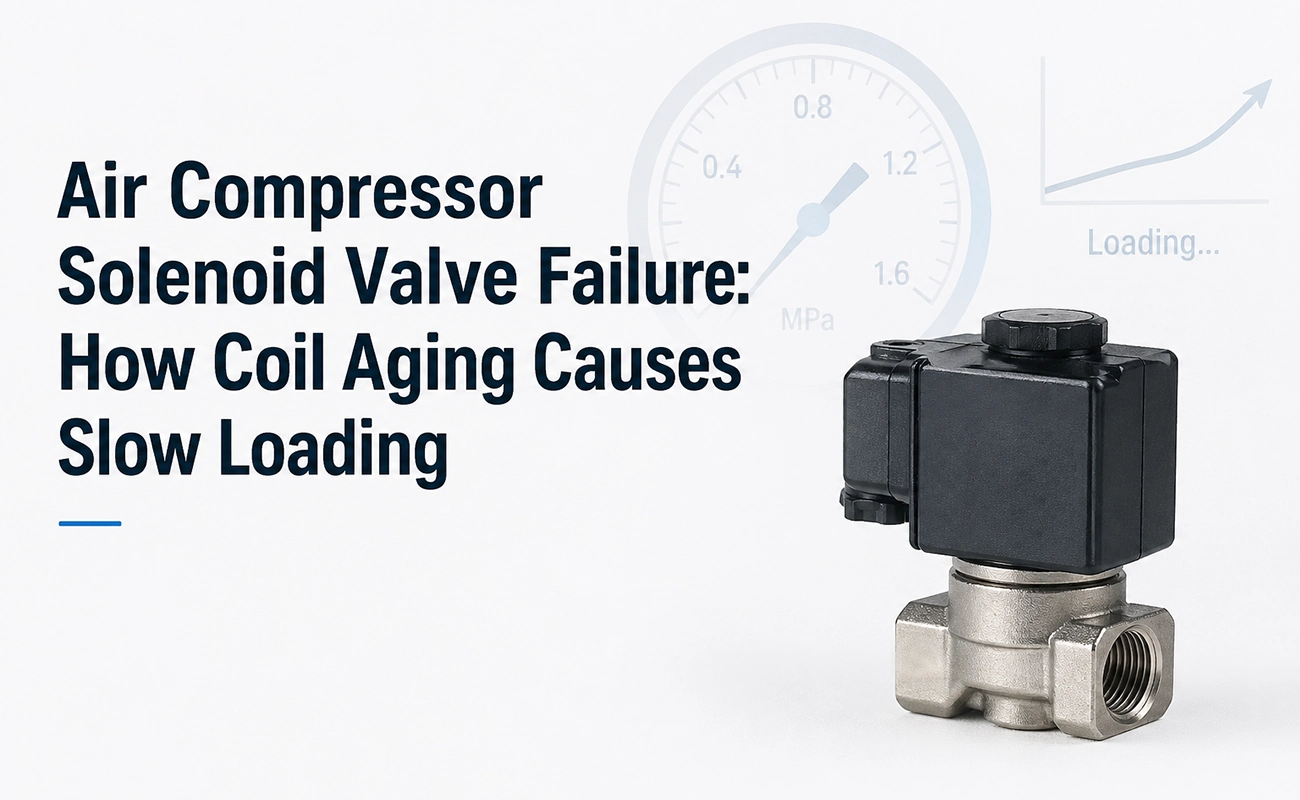
Inside every automatic drain is a solenoid valve that converts an electrical signal into mechanical movement. When energized, it opens the drain. When power is removed, it closes.

If this solenoid becomes sticky, contaminated, or electrically weak, drainage becomes unreliable. Typical failure symptoms include:

  • Water accumulating in air receivers
  • Frequent downstream filter clogging
  • Sudden bursts of water from pneumatic tools
  • Corrosion inside pipelines

In many plants, technicians replace dryers and filters repeatedly, never realizing the real problem is a failing drain solenoid upstream.

Reliable solenoid valves must be designed for oily, acidic condensate and continuous cycling. Using low-quality valves often leads to short service life and unpredictable drainage.

Why Cooling Is the First Line of Defense

Before water can be drained, it must first be condensed. This is where the aftercooler plays a critical role.

After compression, air is hot and saturated with vapor. The aftercooler reduces air temperature, forcing moisture to condense into liquid form. The more efficient the cooler, the more water it removes before the air enters the receiver and piping.

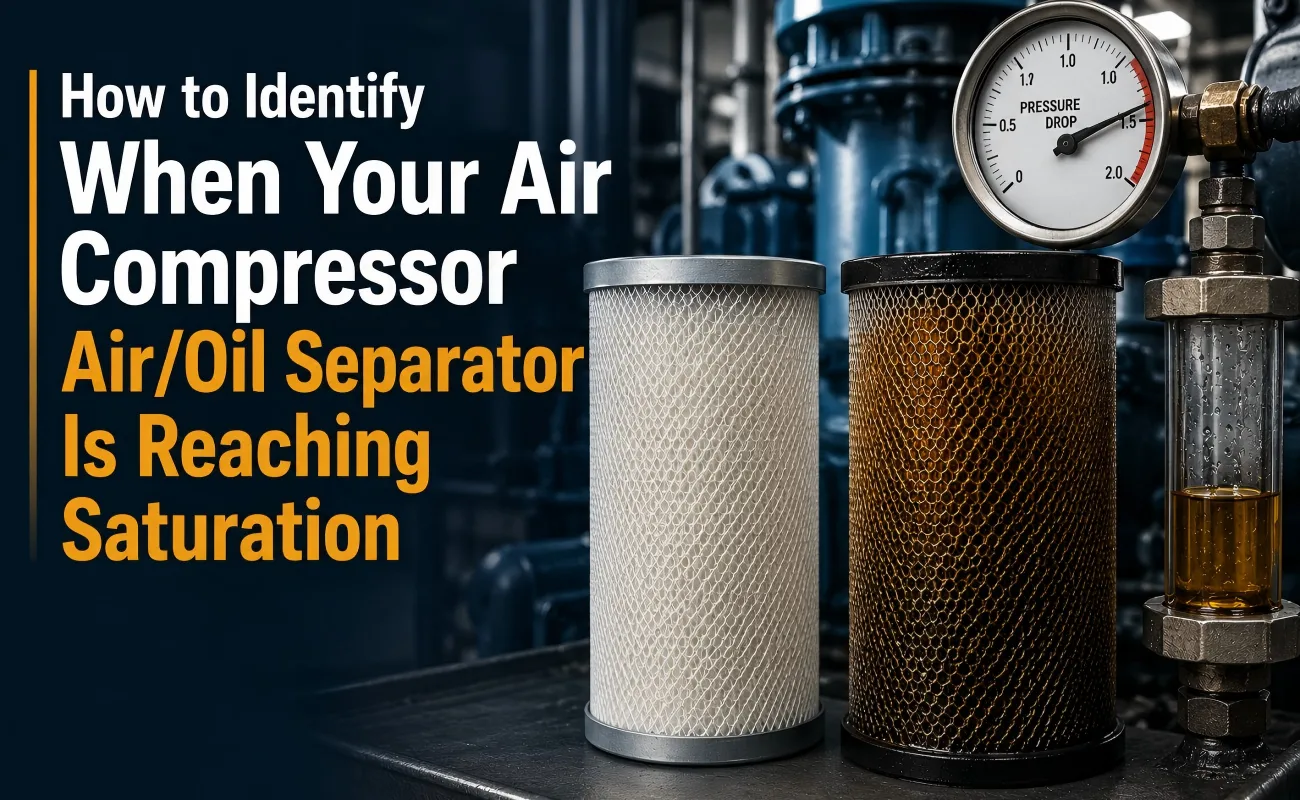
If the cooler is clogged with dust, oil, or scale, it cannot remove heat effectively. Less condensation occurs, meaning more moisture travels downstream, overloading dryers and drains.

This creates a chain reaction:
Poor cooling → Excess moisture → Drain overload → Water in production air

That is why cooling efficiency and drainage must be considered as one integrated system.

What Happens When Drainage Fails

When condensate is not removed properly, the damage spreads throughout the plant.

Pipes rust from the inside. Rust flakes travel downstream and jam solenoid valves and pneumatic actuators. Lubricants in tools are diluted. Paint systems develop fish-eyes and defects. Electronic sensors fail from moisture exposure.

Even air dryers struggle when flooded with water they were never designed to handle.

In extreme cases, standing water in receivers can cause internal corrosion that weakens the pressure vessel—a serious safety risk.

Best Practices for Clean, Dry Compressed Air

To keep moisture under control, a few principles should always be followed:

  • Install auto-drain valves at all key collection points: aftercoolers, air receivers, filters, and dryers.
  • Use zero-loss or high-quality solenoid drains to avoid wasting compressed air.
  • Keep aftercoolers and radiators clean to maximize condensation efficiency.
  • Inspect drain operation regularly. A stuck valve can destroy an entire air system quietly.
  • Replace drain solenoids and seals as preventive maintenance, not after failure.

The Bottom Line

Water is unavoidable in compressed air—but damage is not. A well-designed drainage system, built around reliable auto-drain valves, robust solenoid control, and efficient cooling, turns a major threat into a manageable routine.

Factories that take drainage seriously enjoy cleaner air, longer equipment life, lower energy costs, and fewer production interruptions. Those that ignore it pay the price in corrosion, downtime, and product quality issues.

If you want stable, high-quality compressed air, start by giving water a clear way out.