Maintenance Tips

Winter Air Compressor Maintenance Guide: Key Steps for Lubricants, Coolants, and Valve

Winter Air Compressor Maintenance Guide

Winter is one of the most challenging seasons for air compressor operation. Low ambient temperatures, fluctuating humidity, and increased condensation can all affect the stability of the system, especially for screw compressors used in industrial environments. When temperatures drop, oil thickens, coolant flow becomes less efficient, and valves are more likely to stick or operate slowly. If operators do not adjust their maintenance strategy for cold weather, the compressor may face pressure instability, start-up difficulty, high oil carry-over, or even airend damage.

This guide outlines the essential winter maintenance steps for lubricating oil, cooling fluid, and critical valve components, helping operators prepare their machines for reliable performance throughout the cold season.

Why Winter Maintenance Requires a Different Approach

Unlike summer, winter conditions bring two specific risks:

  • Oil viscosity increase, which affects lubrication and airend load
  • Condensation and moisture buildup, leading to corrosion, emulsified oil, and water contamination

The combination of thicker oil and colder cooling circuits places additional stress on the airend, bearings, and motor. This is why adjusting maintenance intervals and selecting cold-weather-appropriate consumables becomes critical.

Lubricating Oil: The Foundation of Cold-Weather Reliability

Lubricating oil determines whether the airend can start smoothly and maintain stable load. In winter, oil viscosity rises, especially when ambient temperatures fall below 5°C. High viscosity means harder start-ups, reduced oil circulation, and higher bearing friction.

Key winter maintenance steps

• Choose winter-grade synthetic oil
Synthetic PAO or ester-based oils maintain stable viscosity at low temperatures. Their cold-flow properties significantly reduce start-up load.

• Shorten oil change intervals
Even high-quality oil will degrade faster when moisture condenses in the tank. Winter introduces more water vapor, and the water must be removed through timely oil replacement.

• Preheat before start-up (if possible)
Some high-end compressors include built-in oil heaters. For standard machines, warming the compressor room helps reduce mechanical stress.

• Monitor for oil emulsification
Milky or foamy oil indicates water contamination—common in winter. Once emulsified, the oil loses lubrication and must be replaced immediately.

Coolant and Heat Exchangers

Cold weather may seem beneficial for cooling performance. However, when coolant thickens or the cooling circuit becomes partially blocked, the compressor may overheat or operate unpredictably.

Critical checks for winter operation

  • Use the correct antifreeze ratio
    Many screw compressors use glycol–water mixtures. Ensure the freezing point is at least 5–10°C lower than the lowest ambient temperature in your region.
  • Clean both oil cooler and aftercooler
    Dust, debris, and oil residue restrict airflow. In winter, limited ventilation in compressor rooms can amplify overheating issues.
  • Check for coolant leaks
    Glycol-based fluids become more viscous at low temperatures, making small leaks easier to detect but harder to seal. Replace damaged hoses or clamps promptly.
  • Confirm thermostat functionality
    A sticking thermostat causes inconsistent cooling, leading to sudden high-temperature trips after start-up.

Maintaining a smooth and clean cooling circuit is essential for stable oil temperature and airend protection.

Valve Components: The Hidden Weak Link in Winter

Winter affects valve responsiveness more than any other component. Thick oil and cold air increase friction, causing valves to open slowly or fail to seal. Three valves need special attention:

A. Inlet Valve

Cold oil can cause actuator sticking, leading to slow loading, unstable pressure, or delayed modulation.
Checklist:

  • Inspect diaphragm or piston seals
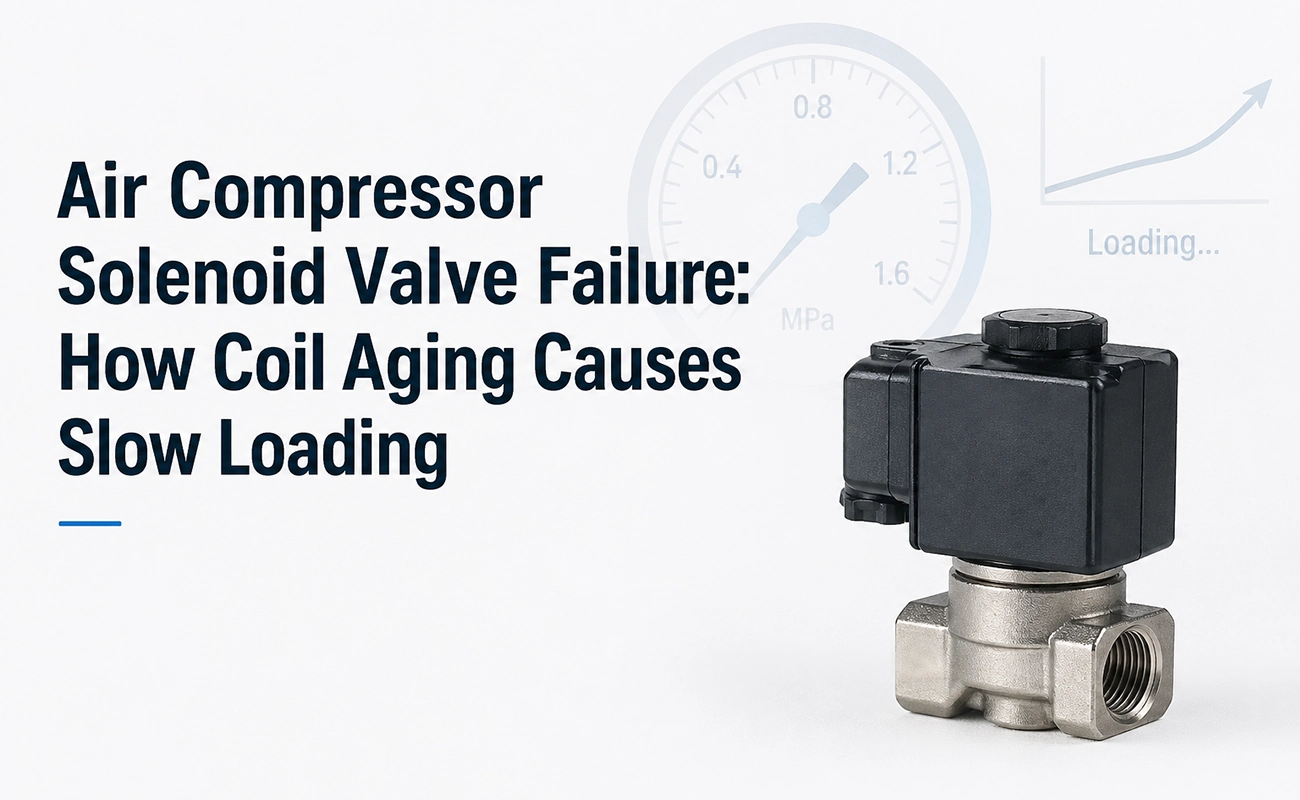
  • Ensure solenoid valves respond instantly
  • Verify that pilot lines are free of moisture and not blocked

B. Minimum Pressure Valve (MPV)

Winter moisture causes varnish buildup and sticking, preventing the MPV from maintaining stable internal tank pressure.
Checklist:

Clean carbon/varnish deposits

Confirm spring tension and opening pressure

Replace if the valve opens prematurely or fails to hold pressure

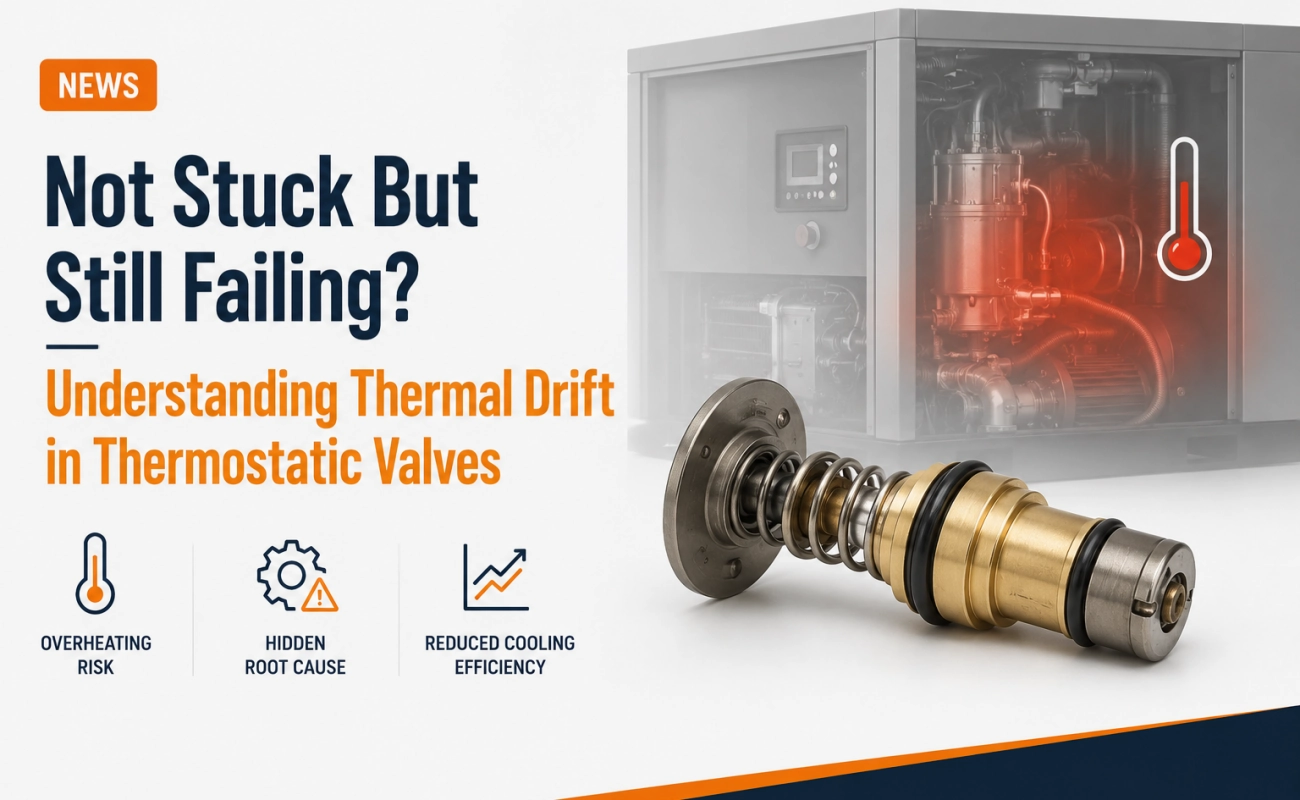
C. Thermal Control Valve (TCV)

The TCV regulates oil temperature. If stuck, oil may circulate only through the cooler, becoming too cold and losing lubrication.
Checklist:

  • Ensure smooth movement of the thermostat element
  • Check for sludge accumulation
  • Replace if response is slow or intermittent

Proper valve performance is one of the most effective ways to prevent winter-related pressure instability.

Additional Cold-Weather Best Practices

Beyond oil, coolant, and valves, a few simple habits can significantly improve reliability:

  • Keep the compressor room above 5–10°C
    This minimizes moisture condensation and reduces start-up load.
  • Drain condensate more frequently
    Winter produces more moisture inside the tank and piping.
  • Inspect belts and couplings
    Cold temperatures stiffen rubber materials, increasing vibration.
  • Warm-up run before full load
    Let the compressor reach stable oil temperature before high-demand operation.

Conclusion: Prepare Early, Protect the System

Winter conditions magnify weaknesses that remain hidden during warmer months. By choosing the right lubricating oil, maintaining coolant quality, and ensuring valve components operate smoothly, operators can significantly reduce shutdowns, extend compressor life, and maintain stable air delivery even in harsh conditions.

A proactive winter maintenance plan protects not only the air compressor but also the productivity of the entire facility.