News
Protect Your Airend and Motor: The Hidden Costs of Coupling Misalignment
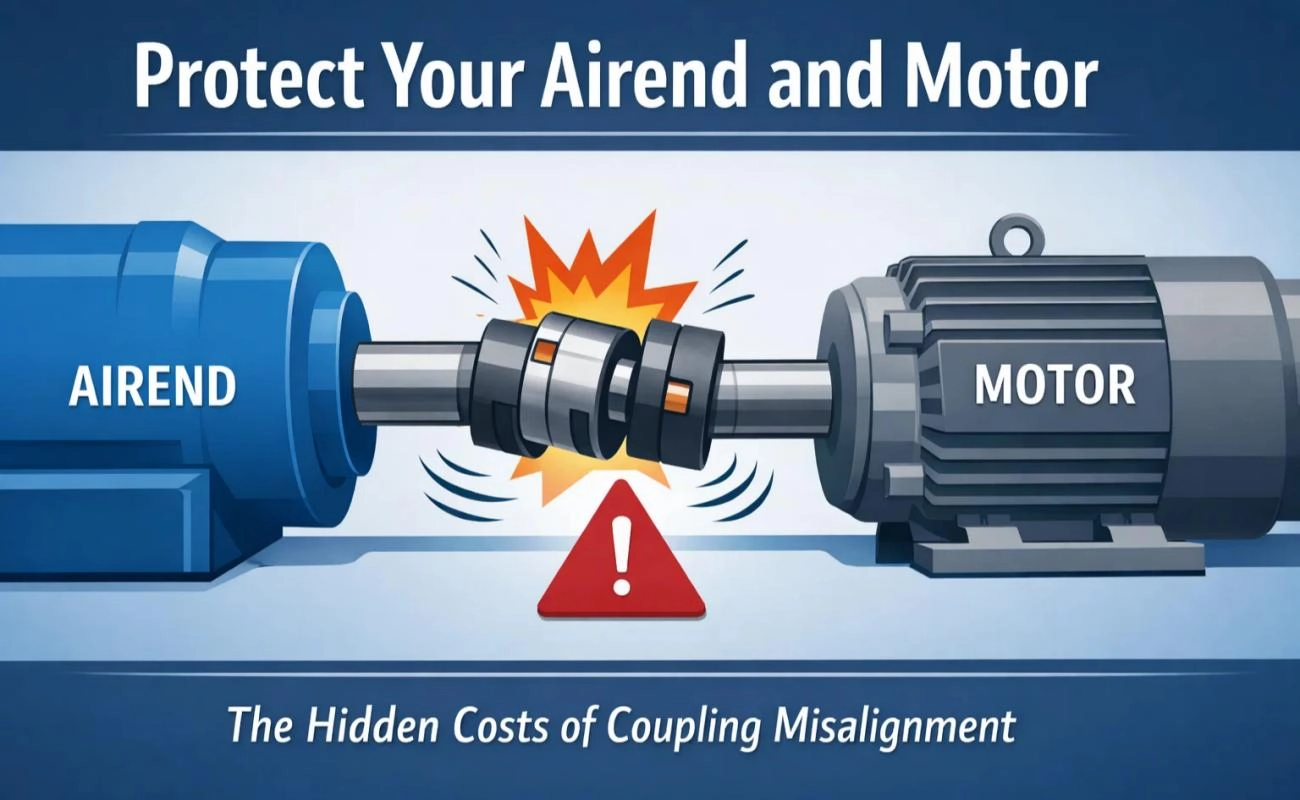
In many compressor installations, attention is usually directed toward high-value components like the airend, motor, or inverter. Yet, one small mechanical component quietly determines how smoothly power is transferred between these expensive parts—the coupling.
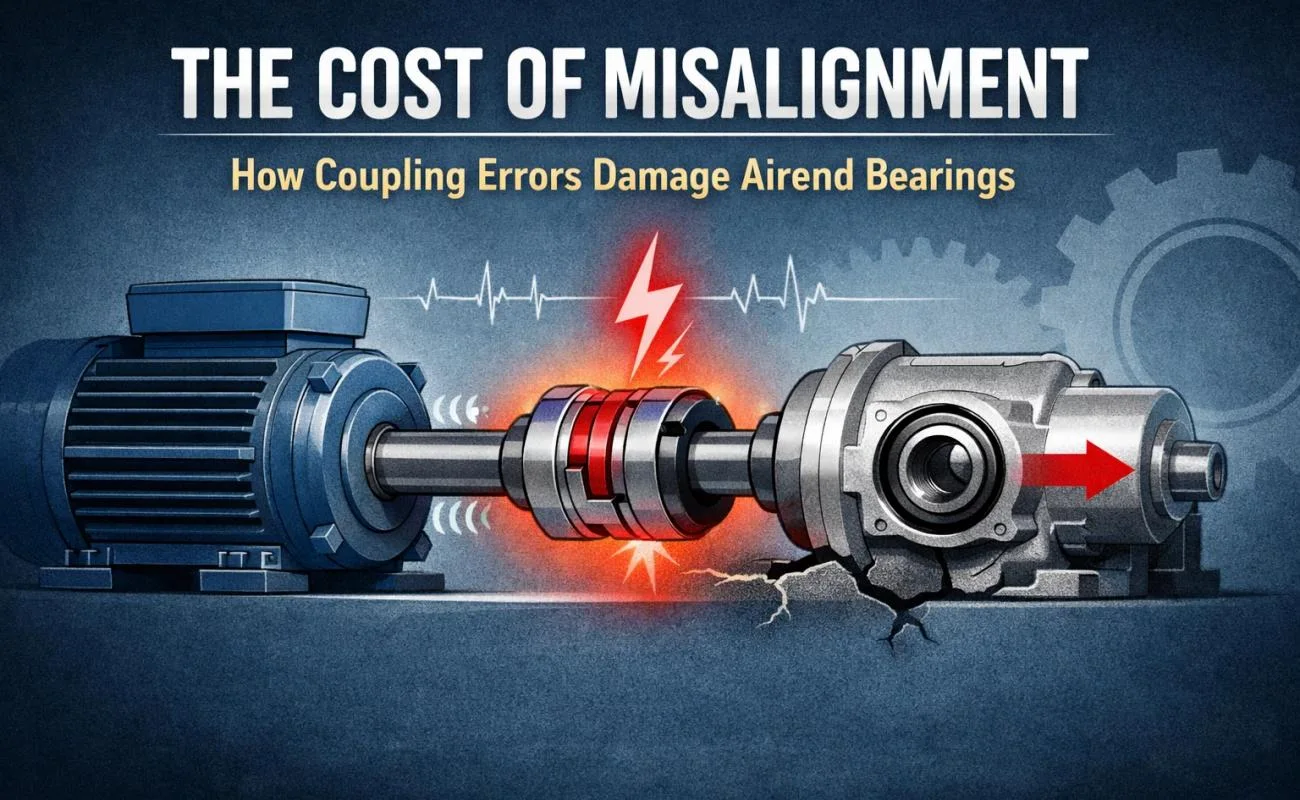
A coupling may appear to be a simple connector between motor and airend shafts, but its condition directly influences vibration levels, bearing life, and overall mechanical reliability. When coupling alignment or elastic elements deteriorate, the resulting vibration can slowly destroy critical components.
Understanding and maintaining this small but vital part is one of the most cost-effective ways to protect compressor investments.
What Does a Coupling Actually Do?
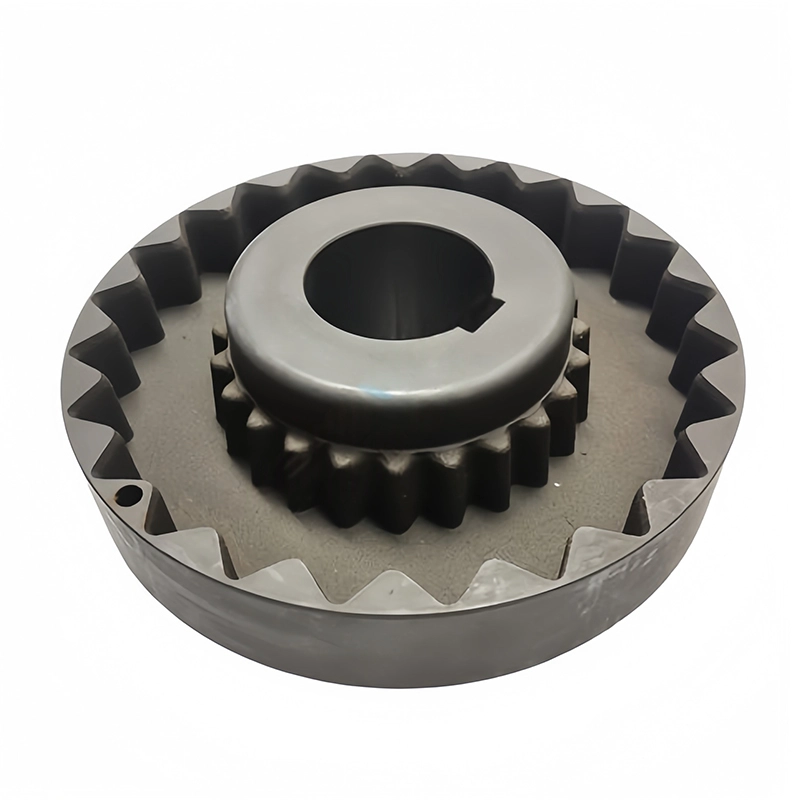
In rotary screw compressors, the motor drives the airend through a coupling assembly. Besides transmitting torque, the coupling also performs another crucial function: absorbing small alignment errors and vibration.
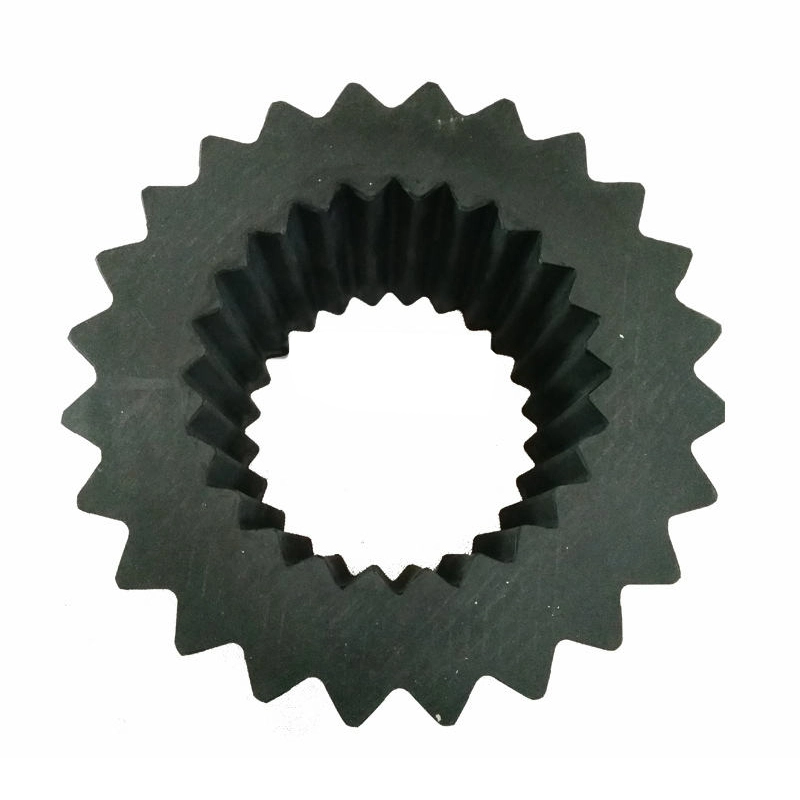
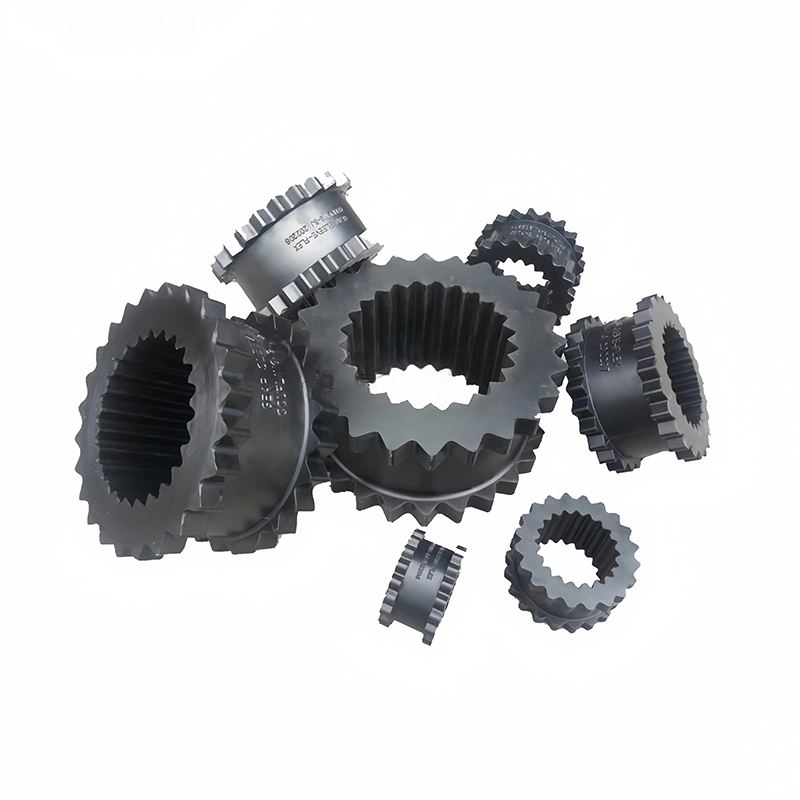
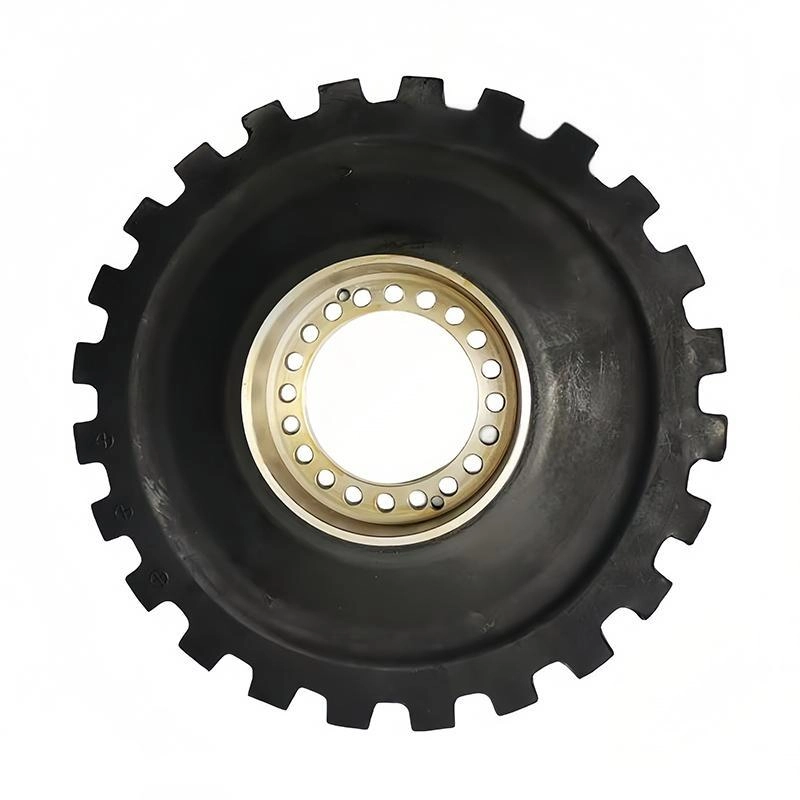
Most compressor couplings include elastic components such as:
- Rubber spider inserts
- Polyurethane blocks
- Flexible elastomer elements
These materials act as shock absorbers, compensating for minor shaft misalignment and damping vibration transmitted between motor and airend.
However, these flexible components are wear items and require regular inspection.
Why Misalignment Happens Over Time
Even when machines are installed correctly, alignment can gradually change during operation.
Common causes include:
- Foundation settlement or frame deformation
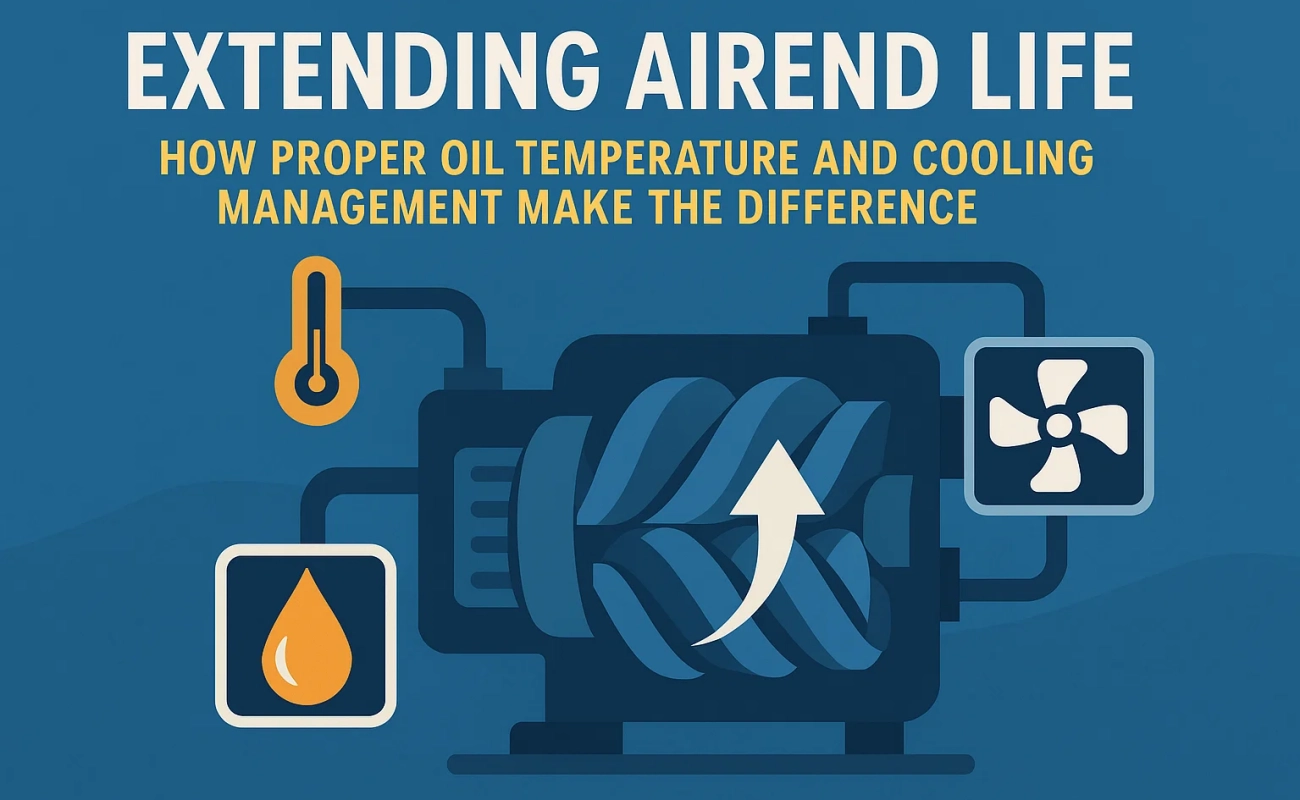
- Thermal expansion differences between motor and airend
- Vibration loosening mounting bolts
- Improper maintenance reassembly
- Aging or hardened elastic inserts
As misalignment increases, the coupling begins to transmit unwanted forces rather than absorb them.
The Hidden Damage Caused by Misalignment
Coupling misalignment rarely causes immediate failure. Instead, it leads to gradual mechanical stress that shortens component lifespan.
Typical consequences include:
- Increased Vibration Levels
Misaligned shafts create radial and axial forces that generate continuous vibration throughout the compressor structure. - Bearing Wear Acceleration
Airend and motor bearings are designed for rotational loads, not constant side forces. Misalignment adds stress, reducing bearing life significantly. - Seal and Shaft Damage
Shaft seals experience uneven loading, leading to leakage risks. - Higher Energy Consumption
Mechanical resistance increases slightly, leading to higher energy usage over time.
Because these issues develop slowly, operators often fail to connect them to coupling problems.
The Role of Elastic Elements in Vibration Control
Elastic inserts are the true “shock absorbers” of the coupling. Over time, they can:
- Harden due to heat exposure
- Crack under cyclic stress
- Wear due to torque fluctuations
- Lose elasticity under oil contamination
Once elasticity decreases, vibration passes directly between motor and airend instead of being dampened.
Replacing a worn insert costs very little compared with replacing bearings or rebuilding an airend.
Warning Signs Operators Should Watch For
Maintenance teams should monitor several early warning signals:
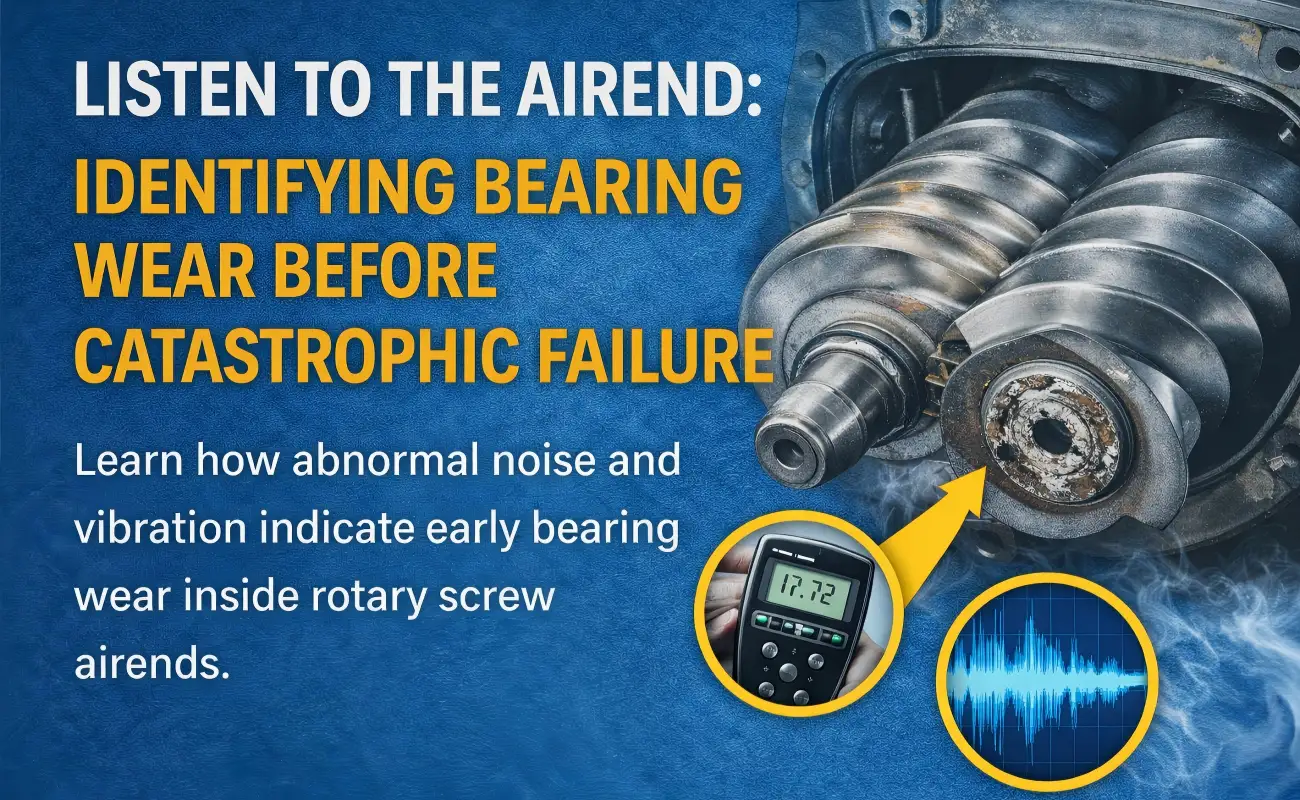
- Unusual vibration or humming sounds
- Increased bearing temperatures
- Frequent bearing replacement requirements
- Visible cracking or deformation of elastic inserts
- Rubber debris near coupling guard covers
Regular inspection during scheduled shutdowns can prevent larger failures.
Inspection and Maintenance Best Practices
To keep couplings functioning properly, operators should include them in routine maintenance programs.
Recommended practices include:
- Checking alignment during major maintenance
- Inspecting elastic inserts for cracks or deformation
- Ensuring mounting bolts remain properly tightened
- Replacing inserts showing hardness or wear
- Monitoring vibration trends over time
Alignment checks are especially important after moving equipment or replacing motors.
Business Impact: Protecting High-Value Components
From a business perspective, coupling maintenance is not just mechanical housekeeping—it directly protects expensive components.
Airend rebuilds and motor replacements represent significant costs and downtime. Many such failures originate not from internal defects but from external vibration and misalignment stresses.
Spending minimal effort on coupling inspection can prevent major capital expenses later.
For maintenance providers and parts suppliers, recommending coupling checks during service visits builds long-term customer trust by preventing future failures.
When Replacement Is the Smarter Choice
If coupling hubs or shafts show wear, or if repeated insert replacements fail to stabilize vibration, full coupling replacement may be necessary.
Modern coupling designs offer:
- Improved vibration damping
- Better torque stability
- Longer elastic component life
- Easier maintenance access
Upgrading couplings during compressor overhauls often improves overall machine smoothness.
Conclusion: Stability Begins at the Connection Point
In compressor systems, power transmission may seem straightforward, but mechanical precision is essential. The coupling, although small, determines how smoothly energy flows between motor and airend.
By maintaining proper alignment and replacing worn elastic elements in time, operators can dramatically reduce vibration, protect bearings, and extend compressor life.
In practice, protecting your most expensive components often starts with maintaining the smallest ones.